
I come from a family deeply rooted in wine production going back to the late 19th century. The Miliarakis family was among those who pioneered organized winery operations on the island, and early on they began bottling locally. Growing up surrounded by vineyards, cellar work, and conversations about wine and food naturally shaped my trajectory. While I studied economics and international trade, over the past 25 years I’ve immersed myself in every facet of the wine business, from cultivation to marketing to visitor experience.
How Crete Became a Rising Wine Star: An Expert Interview with Nikos Miliarakis
An Expert Interview with Nikos Miliarakis
How Crete Became a Rising Wine Star

Interview with Nikos Miliarakis Meet the Expert

The Interview
Q: Tell us a little about your professional background and how you became involved with wine.
Q: What is your role at the Heraklion Development Agency, and how does it relate to wine and wine tourism?
I took up a position there last year because the Agency’s mission aligns with what I have always believed in: strengthening inland communities, promoting regional assets, and building networks. Wine and wine tourism are among the most potent tools for local development. My experience in agriculture, production, and regional collaboration positions me to help bridge gaps and amplify the potential of Crete’s wine regions.
Q: How does your work contribute to promoting Cretan wine both regionally and nationally?
Through the Heraklion Development Agency, we lead and support projects at local, inter‑local, and transnational levels. Wine and gastronomy often lie at the heart of these projects. We organize educational programs, exchange visits, best-practice workshops, and public-facing campaigns to bring wider attention to Crete’s wine identity.
Q: In your opinion, what defines the identity of Cretan wine today?
At its core, Crete’s identity in wine lies in our indigenous grape varieties—these provide a profile you won’t find anywhere else. But identity is also shaped by our island’s geographies and climates, the spirit of a new generation of winemakers, and the willingness of local producers to cooperate and tell a shared story. That combination has allowed Cretan wine to stand out rather than simply imitate elsewhere.
Q: How has wine tourism in Crete evolved over the years?
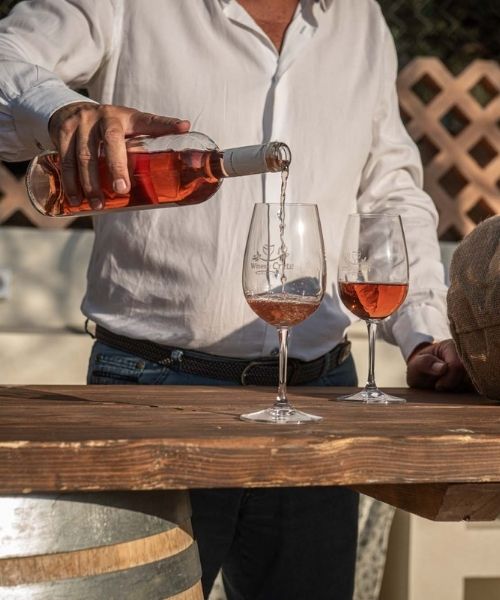
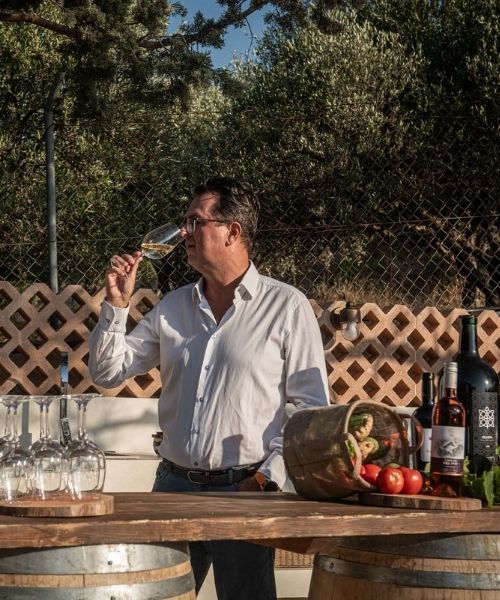
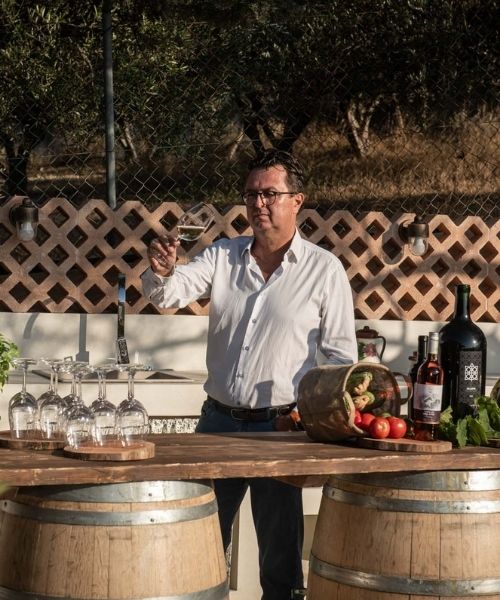
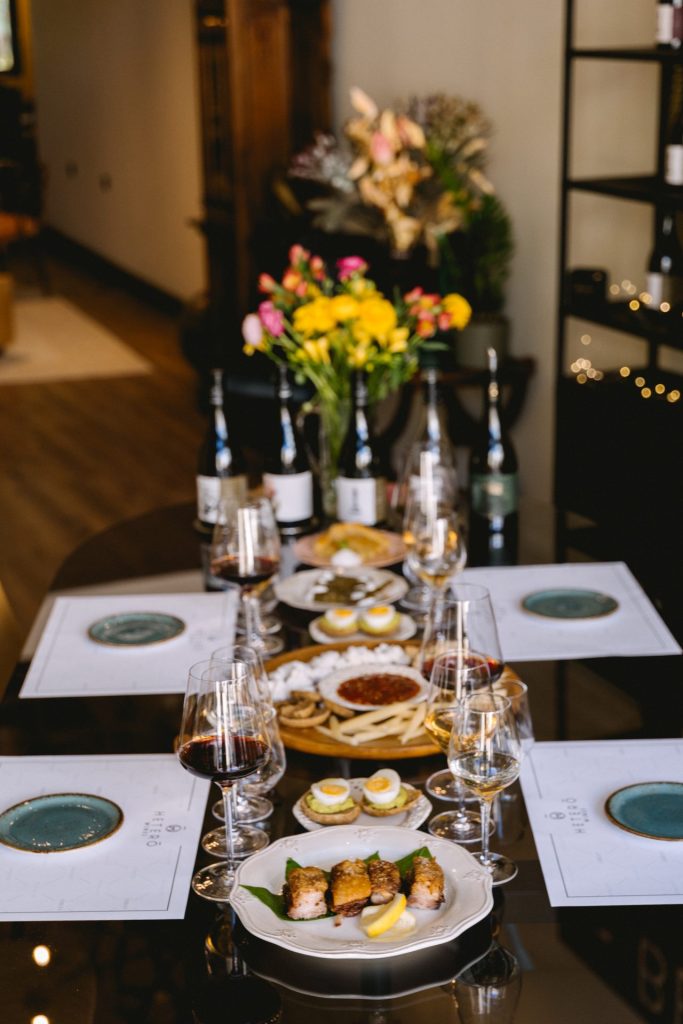
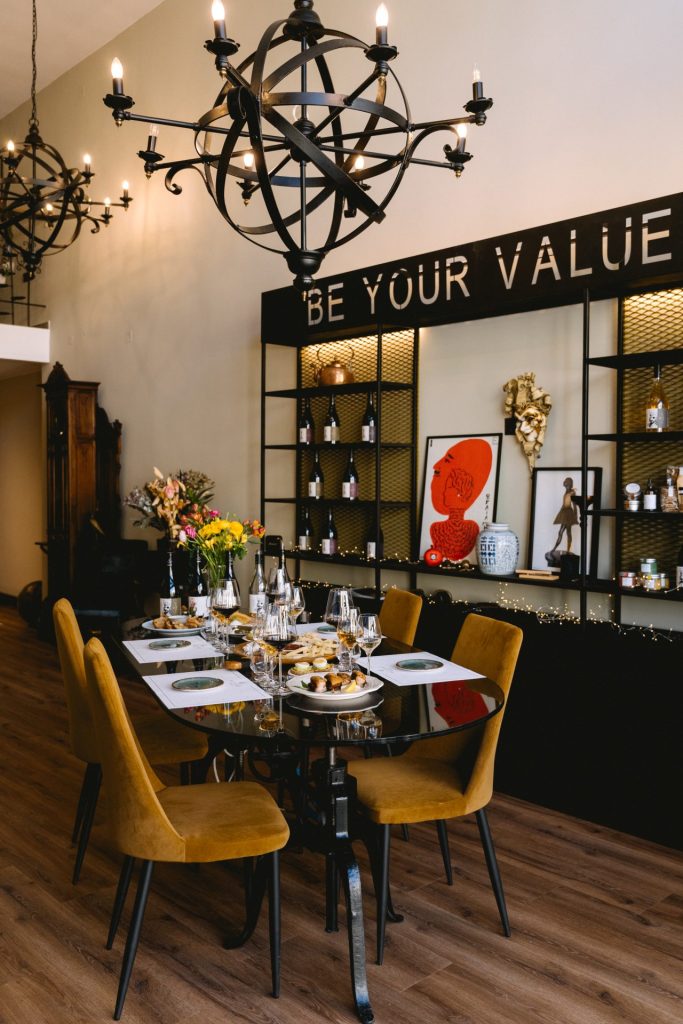
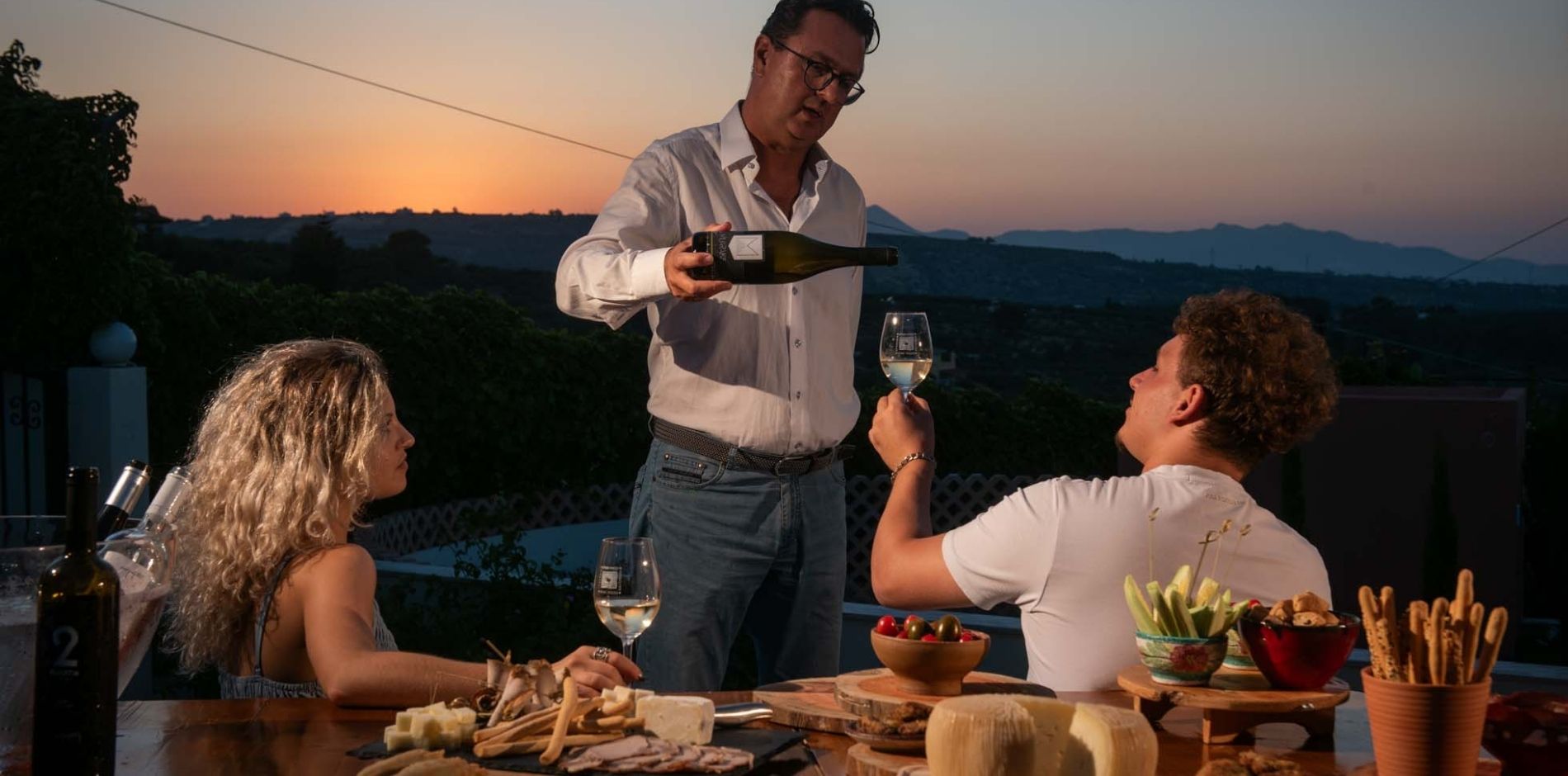
Wine tourism here has matured significantly over the past 20 years. Now, wineries don’t just offer tastings—they offer full experiences: food pairings, vertical tastings, guided walks in the vineyards, and wine picnics. Travel operators increasingly build wine-and-gastronomy tours, and more visitors are seeking immersive, not superficial, wine encounters.
Q: What actions are taken to educate the public and visitors about the uniqueness of Cretan wines?
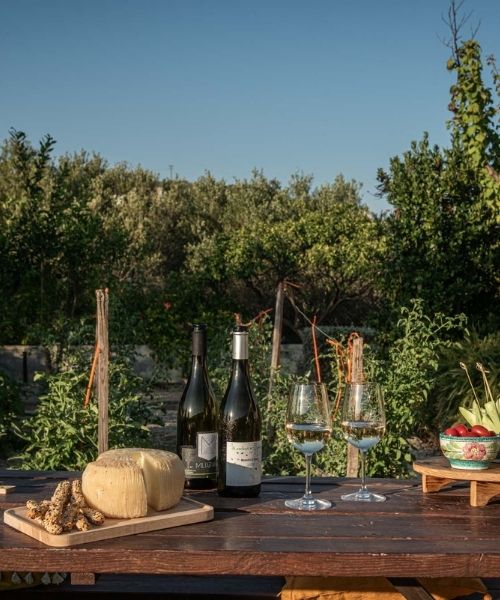
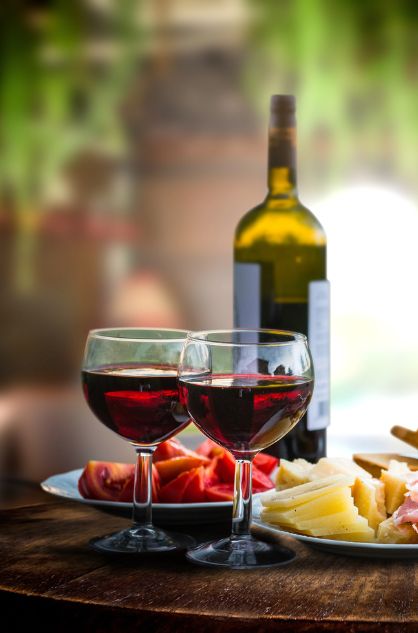
We employ multiple channels—print media, a lively website, social platforms, signature events like “OINOTIKA” and “Wines at Fortezza,” and educational seminars. We’ve also published a free e-book on winesofcrete.gr. One initiative especially close to my heart is the documentation of Cretan cheeses, which allowed us to create curated Wine & Cheese experiences—linking wine to local food culture in a meaningful way.
Positioning Crete Among Emerging Wine Regions
t’s worth noting that the Wine Enthusiast feature “7 Up‑and‑Coming Wine Regions” includes Crete among regions now coming into their own. They observe that although Crete’s modern wine industry is relatively young—less than 50 years in its current form—the last 25 years have witnessed a renaissance.
That article highlights that much of Crete’s shift has involved moving away from large cooperatives and bulk exports, toward small-batch, terroir-driven winemaking by a new generation of ambitious producers. In particular, it mentions the resurgence of Vidiano, a white variety once close to extinction but now emerging as one of Crete’s signature grapes. According to Wine Enthusiast, Vidiano is seen by some as a candidate for Crete’s answer to Santorini’s Assyrtiko.
That external perspective bolsters what we hear on the ground: Crete is no longer just a promising wine region, it is actively defining new soil, climate, and grape combinations that are carving a distinct place for itself.
Collaborations, Education, and Future Vision
Q: What do you see as the greatest opportunities for Cretan wine in the next decade?
We’re at an inflection point. The greatest opportunities lie in deepening quality, enhancing thematic tourism, strengthening networks, and promoting our native grapes more boldly. If we continue working in partnership—among producers, local governments, educators, and the hospitality sector—Crete can be not just another wine destination, but a model of how an island region can succeed through identity, experience, and excellence.
Building on that momentum, local collaborators are planning projects such as the “Oinou” hub in Archanes, a centralized visitor-services center for wine tourism. We’re also laying groundwork for a postgraduate program in wine tourism, in collaboration with Greek and overseas universities—designed to position Crete as both a cultural hub and an educational leader in wine tourism.
Interesting Facts about the Wines of Crete
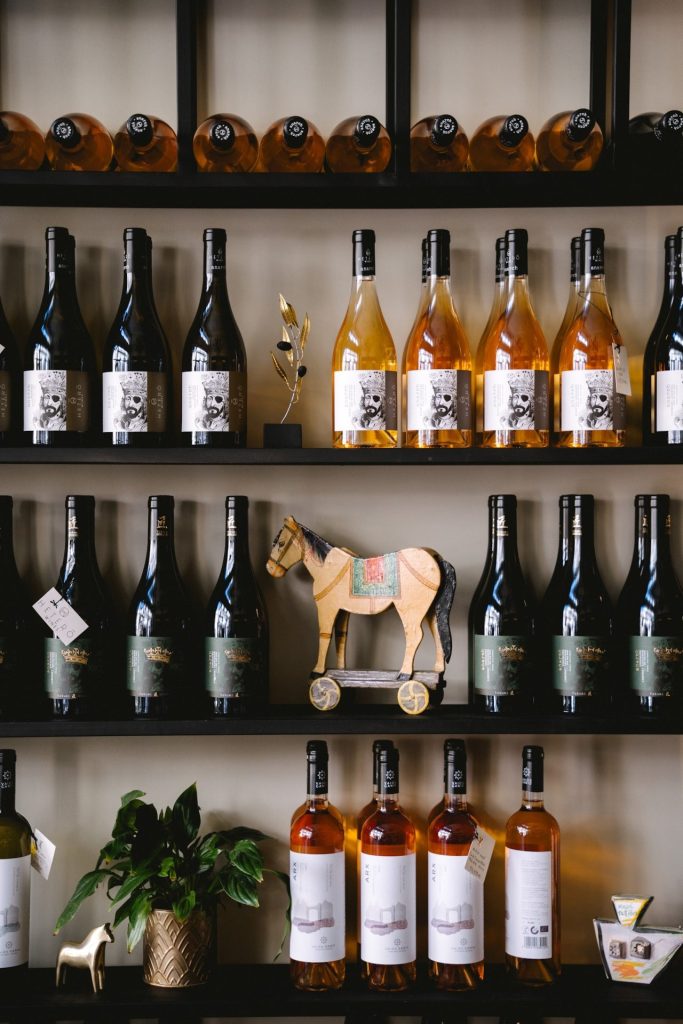
Since its founding in 2006, Wines of Crete has grown into a powerful vehicle for progress. Today it represents 36 wineries—roughly 90% of Crete’s overall production—and is committed to raising standards for quality and for what wineries offer to visitors. Crete’s reputation as a wine tourism destination has grown accordingly, attracting travelers who want both authenticity and experience.
Wines of Crete supports these efforts through digital routes and interactive maps, wine trails, collaborative exhibitions with museums (like the Heraklion Archaeological Museum), and QR‑based content to help visitors understand the long timeline of wine on Crete.
Key Takeaways
Nikos Miliarakis’s work embodies a balanced vision: championing tradition, embracing innovation, and fostering a unified identity for Cretan wine. The inclusion of Crete in an international publication like Wine Enthusiast not only validates what we have long believed—it also underscores the urgency and potential of the road ahead. Through collaboration, grounded strategy, and continuous refinement, Crete is writing a wine story that is uniquely its own—one that speaks not just to locals, but to wine explorers everywhere.
Latest
From our blog