Skip-Generation Travel to Crete

Where Grandparents & Grandchildren Create Forever Memories

Your 10-year-old grandson looks up at you and asks if you remember the first time you saw the ocean. You pause. You do remember: a beach in 1965, cool water around your ankles, your own Yiayiá holding your hand.

“Can we do that together, Pappoú?” he asks. “Can we find an ocean?”

That simple question captures the heart of skip-generation travel: journeys taken by grandparents and grandchildren, without the middle generation. Just the two of you. No parents mediating. No schedules pulled in ten directions. Just shared time, curiosity, and connection.

If this feels new, it isn’t. Skip-generation travel is one of the fastest-growing family travel trends worldwide. Around 20% of grandparents have already taken a trip alone with a grandchild, another 25% are actively planning one, and interest has grown by over 500% in recent years. It is not unusual to consider it. In fact, you are part of a quiet movement of Pappoús and Yiayiás choosing presence over presents.

What makes these trips special is precisely the “no parents allowed” advantage. Without mom and dad in charge, the dynamic changes. You’re not enforcing rules or rushing between activities. You’re listening and wondering together. You get to say yes more often. Your grandchild sees you not just as a caregiver, but as a storyteller, an explorer, a trusted companion.

And Crete? Crete is made for this kind of journey. It’s safe, welcoming, and unhurried. Distances are manageable. Food is familiar yet exciting. Villages invite conversation. Beaches feel gentle, not overwhelming. Myths and history turn simple walks into adventures, and every meal becomes a lesson in culture, patience, and joy. It’s an island that meets children at eye level and gives grandparents room to breathe.

You might be wondering if you’re up for it. I’m talking about the energy, or the responsibility. The “what ifs.” That hesitation is natural. But this isn’t about keeping up. It’s about showing up. The years between 7 and 15 are a rare window before independence takes over, before phones replace questions. Parents spend these years managing logistics. You get to simply be.

This isn’t indulgence. It’s an investment in memory, identity, and love. And it often becomes the most meaningful journey of all.

Undivided Attention Changes Everything Why Skip-Generation Travel Works So Beautifully

skip generation travel grid 1 - SH

There’s a quiet magic that happens when you travel alone with your grandchild. There is no rushing, no negotiating schedules, no familiar family choreography. Skip-generation travel works not because it’s trendy, but because it restores something simple and powerful: presence. In a place like Crete, that presence is gently supported at every turn.

On most family holidays, attention is divided before the suitcase is even zipped. Siblings compete, parents manage, grandparents observe. In skip-generation travel, that noise falls away. It’s just you and your grandchild, fully tuned in to one another. Something remarkable happens when a child has your complete attention. Conversations slow down, and questions become deeper. Seven-year-olds ask things that surprise you. Eleven-year-olds open up when they don’t have to perform for siblings or check in with parents. There’s no rivalry, no “that’s not fair,” no one feeling overlooked. Every moment belongs to both of you.

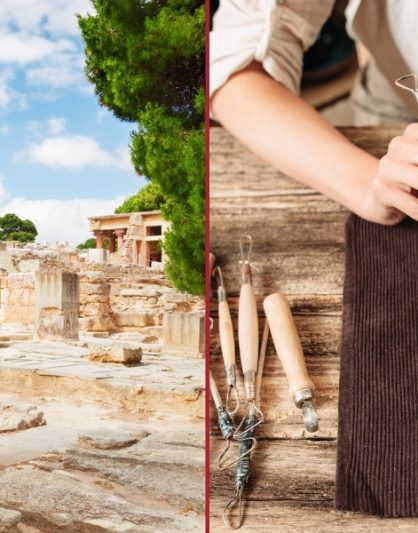
You also gain the freedom to follow curiosity instead of schedules. Imagine a Yiayiá spending an entire afternoon in a small pottery workshop with her granddaughter. Hands get muddy, laughter comes easily, and no one is watching the clock. There is no rushing to the next attraction, no pressure to make it “worth it.” Those are the moments children remember decades later – not the sights, but the feeling: this was ours.

You Get to Be the Fun One

When parents travel with children, they’re always managing something: behavior, nutrition, sleep, screen time, safety. Grandparents, wonderfully, are released from that role. You’re not there to enforce rules, but to guide, delight, and enjoy.

Children sense this immediately. Without parents present, they often behave better, not worse. They want to impress you. They listen more closely. They take pride in being “grown-up” travel companions. And something unexpected happens: they start looking after you too, offering a hand on uneven steps or waiting patiently. You can also share discoveries like treasures.

You’re free to say yes, of course, within reason. An extra scoop of ice cream is permitted. Staying up a little later to watch the harbor lights is fine. This isn’t spoiling; it’s savoring. There’s no guilt attached, because this time together is intentional.

You’re not babysitting. You’re adventuring. You’re Pappoú, Yiayiá: a storyteller, explorer, trusted companion.

Crete’s Pace Matches Yours (And Theirs)

Crete doesn’t demand energy; it offers rhythm. Life here moves gently, and that matters. Distances are manageable – thirty-minute drives instead of exhausting journeys. Meals are leisurely. Afternoons slow down naturally during siesta hours, inviting rest without apology.

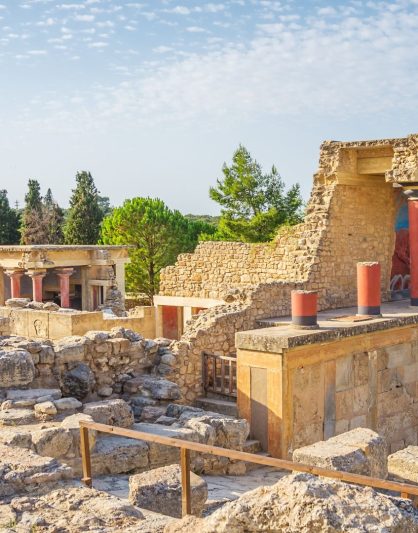
Activities adapt beautifully to different ages and abilities. An eight-year-old can explore Knossos at her own pace while you rest in the shade. A teenager can walk a moderate trail while you take a shorter loop and meet for lunch. Beach days are effortlessly flexible. They can play in the water, you can read a book, or watch the horizon together.

Cretan culture also plays a quiet but important role. Elders are respected, not rushed or pitied. You’re welcomed warmly. English is widely spoken, easing any language worries. Villages feel safe and watchful. Medical care is available if needed, but the island’s gentleness means you’ll likely never think about it.

Crete doesn’t ask you to keep up. It walks beside you, making it ideal for grandparents and unforgettable for grandchildren. This isn’t about doing more every day. It’s about being fully there together.

The Sweet Spot Ages Why 7–15 Works Best

Skip-generation travel is most rewarding when grandchildren are old enough to remember and truly appreciate the experience, yet still young enough to want to spend time with you. That sweet spot is usually between ages 7 and 15. These years offer a rare overlap of curiosity, capability, and closeness. Each age brings its own kind of magic, and there’s no “wrong” moment – just different opportunities to embrace.

Ages 7–10: The Wonder Years

This is the age of pure magic. Children between seven and ten still believe the world holds secrets, and Crete offers them in abundance. Greek mythology feels real here. Caves might hide gods, ancient stones whisper stories, and legends come alive with a little imagination.

At these ages, they’re physically capable enough to seek adventure, yet blissfully free of self-consciousness. They ask endless questions: Why is the sea so blue? Who lived here first? Did monsters really exist? You’ll have time to answer every single one. Best of all, they’re wonderfully easy to please. An ice cream after lunch can make an entire day unforgettable. At this age, you are still their hero. The coolest person they know.

It’s the perfect stage for storytelling, cooking together, animal encounters, and playful exploration. Picture a nine-year-old grandson and his Pappoú wandering Knossos, searching for “Minotaur footprints,” with stories invented on the spot. He’s completely invested because you are.

Ages 11–13: The Bridge Years

These are the in-between years, as the child becomes more independent but remains deeply connected to you. Children at this stage can handle longer activities and richer conversations. They begin to understand history, appreciate culture, and enjoy learning how things work, not just what they are.

They also love feeling useful. You can let them hold your bag, help you navigate a village street, or translate a sign. These small responsibilities give them pride and a sense of partnership. They’re especially drawn to “adult” topics: how wine is made, why battles were fought, how families lived long ago.

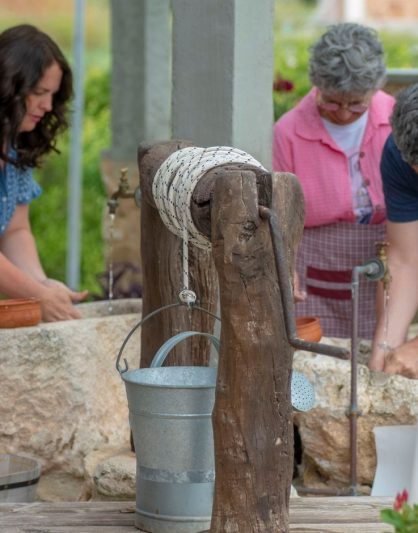
This age is ideal for cooking classes, historical tours, photography walks, and shared projects. Imagine a twelve-year-old granddaughter and her Yiayiá learning to make cheese with a village woman – three generations of women quietly connected through hands and tradition.

Treat them as young adults. Ask their opinions. Let them lead sometimes. They’re old enough to help and young enough to still want to be with you.

Ages 14–15: The Last-Chance Window

For many grandparents, this is a final, precious window before life gets busy and independence takes over. Teenagers may seem “too cool,” but many quietly love skip-generation trips. It’s a break from peer pressure, parents, and noise.

At this age, they’re capable of adult activities and meaningful conversations. They can appreciate the significance of the journey itself. Moments become reflective, even profound. A fifteen-year-old grandson watching the sunset in Rethymno might suddenly ask about your childhood, your parents, and your life before him.

There’s no rush, but there is gentle urgency. They grow quickly. And right now, they still want you.

7-Day Itinerary for Grandparent + 8-Year-Old

Theme: Myths, Legends & Sweet Treats 

Energy Level: Moderate (2–3 hours active per day, plenty of rest) 

Home Base: Heraklion or Chania (central, easy logistics)

The best skip-generation itineraries balance enough structure with plenty of flexibility. Having a plan lets you relax, knowing the essentials are covered, while leaving space for curiosity, rest, and those unplanned moments that often become the most cherished memories. 

Traveling with a grandchild is not about rushing from sight to sight; it’s about moving at a shared pace and following what feels right each day. Below, you’ll find three thoughtfully designed itineraries, tailored to different ages and energy levels, to help you imagine how meaningful and manageable this journey can be.

This itinerary assumes slow mornings, relaxed lunches, and flexible afternoons depending on your mood, energy, and excitement.

Day 1: Arrival & Settling In

Arrival day is about comfort, not sightseeing. After landing, check into your hotel or apartment and take time to unpack together. Let your grandchild choose where to put their things, as this simple action helps them feel at home.

Later, take a short walk along the harbor to watch the boats come and go, or wander the small alleys of the city, talking about the days ahead. Buy your first Cretan ice cream or loukoumades (honey puffs). Take your time to sit and talk. In the evening, enjoy an early dinner nearby and head to bed to rest.

Tonight’s goal: We made it. We’re safe. Let the vacation begin.

Day 2: Meet the Minotaur

After breakfast, head to Knossos Palace, but not as a history lecture. Frame it as a story. Tell your grandchild they’re entering a labyrinth. Ask where the Minotaur might hide. Pause often. Sit in the shade. Let imagination lead.

Keep the visit short (90 minutes is perfect). Afterward, reward their effort with lunch at a nearby taverna and something sweet. Back at your accommodation, enjoy rest or look at the photos you took together.

In the evening, let them retell the Minotaur story in their own way. You’ll be amazed at what they absorbed.

Day 3: Become Cretan Chefs

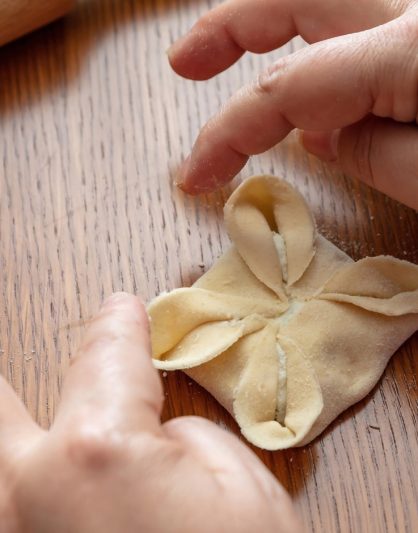
Today is hands-on and joyful. Join a kid-friendly cooking activity. Knead dough, prepare traditional gemista, sprinkle local graviera cheese, and taste honey. These sensory moments stay with children far longer than museums.

Take photos of flour-covered hands. Praise everything. Lunch is whatever you made with love and laughter.

The afternoon is intentionally free. Take a short walk, a nap, or play quiet games back “at home.” In the evening, enjoy a relaxed dinner and let them stay up just a little later.

Day 4: Beach Day

Beach days are magical because they’re naturally flexible. Choose a calm, sandy beach like Ammoudara near Heraklion or Falasarna if you are based in Chania. Let your grandchild play in the water while you sit nearby with a book, feet in the sea.

Leave before exhaustion hits. Stop for juice or pastries on the way back. Tonight will be an easy, early night.

Day 5: Village Adventure

Head to a nearby traditional village. Greet locals. Let your grandchild practice saying kaliméra. Visit a small square, a church, or a tiny shop.

Wonderful options include the villages of Apokoronas or the Lassithi Plateau. Have lunch somewhere family-run, where time moves gently. After lunch, head back for rest.

In the evening, look through souvenirs together and talk about what surprised you today.

Day 6: Grandchild’s Choice

This is their day. Give two simple options and let them decide.

A pottery class, a Minoan art workshop, or a mosaic activity will be unforgettable, especially when you take home something you created together.

Celebrate the final night with a special dessert or small gift.

Day 7: Say Goodbye to Crete

Pack slowly. Leave space for feelings. Ask what their favorite moment was, and share yours, too.

At the airport, remind them: This was our trip. Our story.

7-Day Itinerary for Grandparent + 12-Year-Old

Theme: History, Culture, & Adventure 

Energy Level: Moderate-High (3-4 hours active per day) 

Home Base: Split between Chania (3 nights) and Heraklion (3 nights)

Twelve is the perfect age to blend movement with meaning. Twelve-year-olds are curious, capable, and ready to engage with history beyond fairy tales. This itinerary offers responsibility, challenge, and space for real conversation while keeping the pace manageable.

Day 1: Arrival & Chania Old Town

Arrive in Chania and settle in before heading out for a relaxed walking tour of the Old Town. Explore the Venetian harbor, lighthouse, and narrow alleys. Let your grandchild navigate using a map or phone. Stop often for questions, photos, and snacks. Two to three hours is plenty.

Skip-gen tip: Let them order drinks or dessert to help build confidence.

Day 2: Gorge Adventure

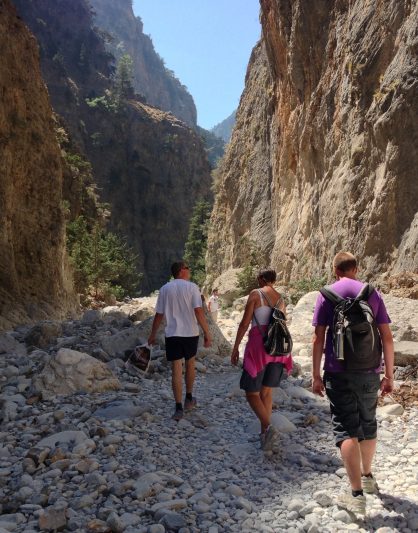
Choose Samaria Gorge for fit, adventurous pairs, or Imbros Gorge for a gentler but still impressive hike. Walking together naturally encourages deeper conversations. Take breaks, share stories, and celebrate finishing with a proper Cretan meal in a nearby tavern.

Skip-gen tip: Let them carry the shared backpack. It means a lot to them.

Day 3: Cooking and Creativity

Join a cooking class in the morning to learn traditional dishes like “kalitsouni” and “ntakos salad” together.

Food is always a great way to bond and later discuss about your secret recipe that only you two can prepare it for the family.

In the afternoon, try a craft workshop such as soap making, and create a souvenir you will both treasure.

Day 4: Palace of Knossos

Visit Knossos Palace in the morning, focusing on stories, symbols, and everyday life rather than dates. Sit in the shade and ask what surprises them. If you are visiting Knossos from Chania, prepare for an unforgettable adventure; you can either drive or hire a transfer. The distance is about 2 hours and 10 minutes.

Day 5: WWII History Day

Explore a WWII site, museum, or village with resistance history near Chania. At this age, they understand conflict, bravery, and moral choices. Share your own family stories if you have them.

Skip-gen tip: Ask their opinion and treat it seriously.

Day 6: Beach and Water Time

Balance history with fun. Spend the day at the beach. Swimming, snorkeling, or paddleboarding are great options. You relax while they explore. Meet for lunch and stories.

Day 7: Departure

Pack together and talk about favorite moments. This trip will stay with them longer than you think.

4-Day “Quick Bond” Itinerary (Ages 7–15)

For: Grandparents who want to “test” skip-gen travel or have limited time 

Home Base: Heraklion area 

Energy Level: Moderate

Not ready for a full week? This long weekend is a perfect introduction with low pressure and high reward.

Day 1 (Friday): Arrival & Easy Evening

Check in, unpack together, and take a short walk near your accommodation to explore the nearby area.

Enjoy ice cream, harbor views, local delicacies, and an early dinner to set the tone.

Day 2 (Saturday): The Big Experience

Choose one standout activity: the Palace of Knossos, a cooking class, a sailing trip, or a creative workshop such as pottery or mosaic.

Make this the centerpiece of the trip so you can discuss it always. Rest afterward.

Day 3 (Sunday): Village Exploration

Visit a traditional nearby village such as Margarites. Walk slowly, greet locals, share lunch, and taste the local and traditional food. Discuss with locals about the places they would recommend visiting next time with your grandchild.

Let curiosity guide you both and share your thoughts afterwards.

Day 4 (Monday): Departure

Take your time to pack your things together and get ready to depart. Reflect, laugh, and plan for “next time.”

This works because it tests the dynamic without overcommitting. One shared highlight is often all it takes to start a new tradition.

Activities Grandparents & Grandchildren Love

One of the greatest joys of skip-generation travel is discovering activities that delight both of you. The goal isn’t to fill every day with constant activity, but to choose experiences that inspire curiosity, conversation, and shared pride. Crete excels at this. Many activities here are naturally intergenerational, hands-on, rich in stories, and unhurried. Below is a menu of options you can mix and match depending on age, energy, and interests.

Cooking & Food Experiences

Food has a magical way of bringing generations together. In Crete, cooking is storytelling you can taste. Family-friendly cooking classes invite grandchildren to knead dough, stuff vegetables, drizzle olive oil, and sample honey straight from the source. 

Food tours are equally rewarding. Walking through markets, bakeries, and small tavernas creates natural moments to talk about traditions, flavors from your own childhood, and how food connects families everywhere. Food is, after all, the thing that Greeks share the most! Children feel proud ordering dishes themselves, while grandparents enjoy slowing down and savoring each stop. 


Historical & Cultural Experiences

Crete’s history isn’t locked behind glass. It’s alive and surprisingly engaging for children when approached the right way. Guided historic site tours tailored for families turn ruins into stories rather than lectures. Knossos becomes a labyrinth, Venetian fortresses become lookout points, and old towns feel like open-air storybooks.

Cultural experiences like village visits, folklore workshops, and local crafts allow grandchildren to see how people actually live. These moments spark thoughtful questions and gentle conversations about time, change, and continuity. 

Nature & Adventure (Scaled to Ability)

Nature in Crete is wonderfully forgiving. You don’t need extreme hikes to feel adventurous. Sailing trips along the coast offer unique experiences like swimming, spotting fish, picnicking, and simply watching the shoreline drift by. They’re perfect shared experiences, whether you’re splashing together or sitting in the shade.

For land adventures, choose walks or hikes that can be shortened, paused, or adapted. One of you might explore a trail while the other rests nearby, meeting later for lunch.

Beaches are the ultimate equalizer: movement for them, stillness for you, together in the same beautiful place.

Creative & Hands-On

Creative activities are often the quiet heroes of skip-generation travel.

Pottery, mosaic-making, painting, or simple craft workshops – all featured on True Cretan – invite focus, patience, and pride. You create something tangible together, a souvenir far more meaningful than anything bought in a shop.

These moments slow time. Conversation flows easily when hands are busy. Long after the trip ends, that handmade bowl or small artwork becomes a shared symbol of your journey, something that quietly says…

“We made this together.”

Who Pays? (Let’s Talk Money)

Let’s address the elephant in the room: skip-generation travel isn’t cheap, and in most cases, grandparents pay the bill. According to recent travel surveys, approximately 90% of grandparents cover all costs for these trips, treating them as precious investments in their grandchildren’s lives rather than simple vacations. This is their gift, a chance to create memories that will outlive any toy gathering dust in a closet.

Some families opt for a split arrangement, with grandparents covering the trip itself while parents handle airfare. Whatever works for your family is the right approach, but here’s the key: be transparent with your own children about the financial arrangements from the start. This prevents awkwardness and ensures everyone’s on the same page.

For a week in Crete, here’s what you’re realistically looking at: Round-trip airfare from the US East Coast typically runs €400-800 per person, making it your biggest expense. Accommodation in a comfortable hotel with two beds or a small villa costs €100-150 per night. Daily food expenses hover around €30-50 per person (expect the higher end if you’re dining at tourist-heavy spots in Chania or Rethymno). Activities like cooking classes, boat trips, or guided tours cost €50-100 each.

The bottom line? Budget €1,500-2,500 per person for a week-long trip. Yes, it’s a significant investment, but ask any grandparent who’s done it: these memories are genuinely priceless. If the budget feels scary, consider starting with a shorter four-day trip to test both the financial commitment and the family dynamic before committing to a full week. You can always extend future trips once you’ve found your rhythm together.

Health, Safety & “What If” Scenarios

Travel insurance is essential. Get full coverage that includes medical emergencies and trip cancellation. Pack medications in their original containers with generic names clearly labelled. Cretan pharmacies are well-stocked, and pharmacists can help identify equivalents if you run out of something.

Crete has solid medical facilities, with modern hospitals in Heraklion and Chania staffed by doctors who typically speak English (at the very least). You’re not venturing into a medical jungle here. Before departure, share your complete itinerary with your adult children, enter your emergency contacts into your phone, and carry your grandchild’s medical information (allergies, current medications, insurance details) in both physical and digital formats. True Cretan provides local contacts for non-emergency issues, giving you a safety net for those “where’s the nearest pharmacy?” moments.

Now let’s tackle those nagging worries keeping you up at night (we don’t want that):

“What if I can’t keep up physically?” Choose activities within your comfort zone and schedule time to rest. No one’s expecting you to hike the Samaria Gorge if your knees protest.

“What if my grandchild gets homesick?” Video calls with parents help, but honestly? Kids rarely get homesick on these trips. They’re too busy feeling special!

“What if we irritate each other?” Space is healthy. They swim while you read by the pool. You nap while they watch a movie. 

“What if I forget something critical?” Crete has pharmacies, supermarkets, and shops everywhere. You can buy virtually anything you need.

The reality? Most skip-gen trips run more smoothly than multi-generational chaos precisely because you’re managing just two people, not navigating complex agendas and sibling fights.

Accommodation Choices

Hotels offer convenience that’s hard to beat, offering daily housekeeping, the all-important breakfast, pools, and zero cooking responsibilities. Look for properties with two beds or a suite configuration, centrally located in walkable neighbourhoods. Mid-range hotels (€100-150/night) strike the perfect balance between comfort and value. 

Villas give space to spread out, kitchens for preparing breakfast and snacks, and often private pools. The trade-off? You’ll probably need a rental car and will have to handle grocery shopping. They’re ideal for longer stays (seven days or more) or grandkids who need room to decompress after busy days out and about.

Boutique and small hotels often hit the sweet spot for skip-generation trips. You’ll enjoy personalised service in beautifully maintained properties that feel manageable, not overwhelmingly large resort-style, yet not isolating like a remote villa. 

Our recommendation: First-time skip-gen travellers should choose hotels for hassle-free ease. Confident travellers who are comfortable navigating a new place can go for the autonomy and space of villa life.

What Grandchildren Remember Forever

“The Cooking Lesson” “My granddaughter Emma (then 9) and I took a cooking class in a village near Heraklion. The Cretan grandmother teaching us, also named Emma, showed us how to make kalitsounia. Emma’s hands were too small to seal the edges properly. The Cretan Emma took my Emma’s hands in hers and guided them, just like I do when we bake at home. Four years later, my Emma (now 13) still talks about ‘the other Emma in Crete.’ She makes kalitsounia for her friends. She tells them her Yiayia took her to Greece, just the two of them, and they learned from a real Cretan grandmother. That trip defined our relationship. She doesn’t just know I love her, she knows I chose her, prioritised her, invested in creating something just for us.”

Maria, Chicago (grandmother), about her skip-gen trip with Emma

“The Hike” “I was nervous about hiking Imbros Gorge with my 12-year-old grandson, Luca. I’m 71, not exactly a mountain goat. But Luca was patient. He held my hand on rough patches. Carried our water bottles. Kept saying, ‘We got this, Pappoú.’ At the bottom, we high-fived. Took a photo. He posted it with the caption: ‘My grandfather is tougher than yours.’ That moment, where he was proud of ME, where I was strong in his eyes, I’ll carry that forever. So will he. He tells that story at family dinners. ‘The time Pappoú and I conquered a gorge in Crete.’ It reversed our roles as he took care of me, and discovered his own strength in the process.”

George, Boston (grandfather), about his skip-gen trip with Luca

“The Sunset Conversation” “My 14-year-old granddaughter, Sophia, is usually glued to her phone. But on our last night in Chania, sitting by the Venetian harbour watching the sunset, she asked me about my life. Really asked. About when I immigrated to America. About meeting her grandfather (my late husband). About my regrets. We talked for two hours. No phone. Just us. She later told her mother it was the best conversation she’s ever had. Her mother cried happy tears. I don’t think that conversation happens in normal life. Too busy. Too many people. Too many distractions. But in Crete, just the two of us, with nothing but time and the sea turning gold? She opened up. I opened up. That’s what skip-generation travel gives you: TIME. Real, undivided, unhurried time. The kind where a teenager actually wants to know your story.”

Athena, New York (grandmother), about her skip-gen trip with Sophia

Ready for Your Skip-Generation Adventure?

The window for skip-generation travel is shorter than you think. Your 8-year-old will be 15 before you blink. Your 12-year-old will soon be busy with high school, sports, and friends. Now, right now, is when they still want to spend time with you. When they think you’re wise and fun and worth a week of undivided attention.

Don’t wait for ‘someday.’ Someday they’ll be too busy. Someday you’ll be less able. Someday becomes never. Do it this year. Do it in Crete, where the culture honors grandparents, the pace is gentle, and the experiences create forever memories.

How to Start:

  1. Talk to your adult children (get their input/blessing)
  2. Contact True Cretan with basic info (grandchild’s age, your interests, mobility level)
  3. We’ll design an itinerary just for you
  4. Book and start counting down together

This Isn’t Just a Trip: It’s a legacy. It’s the story your grandchild tells at your 90th birthday party. It’s the photos on their dorm room wall. It’s the recipe they teach their own children someday, saying, ‘My Yiayia taught me this in Crete!

Start Planning Your Skip-Gen Journey

FAQs

Isn’t this too much for me at my age?
Skip-generation travel works BECAUSE it’s just you and one grandchild (not managing multiple people). You set the pace. If you need afternoon naps, build them in. If you can’t hike mountains, choose beaches and villages. True Cretan customizes itineraries to YOUR abilities, no pressure, no judgment. Many grandparents in their 70s and even early 80s successfully do skip-gen trips. The key is to choose activities within your comfort zone and build in rest. Your grandchild adapts to your pace more easily than you think.
Will my grandchild miss their parents?
Occasionally yes (bedtime sometimes), but less than you’d expect. Most grandchildren are SO engaged with you and the new experiences that homesickness doesn’t materialize. Video calls help (quick FaceTime before bed). But often, kids love independence and special attention. They feel grown-up traveling with just you. If homesickness does happen, it usually passes quickly, keep them engaged, acknowledge their feelings, and move forward with the next activity.
What if my grandchild has dietary restrictions or allergies?
Greek cuisine is surprisingly accommodating. Lactose intolerant? Plenty of olive oil-based dishes. Gluten-free? Grilled meats, salads, vegetables. Vegetarian? Easy. Nut allergies? Greeks use nuts less than Americans. Restaurant servers are accustomed to dietary needs. That said, bring an allergy card in Greek (we can provide). True Cretan alerts restaurants and activity providers in advance. Most importantly, pack any essential medications/EpiPens.
How do I get my grandchild to put down their phone/device?
Crete’s experiences are so engaging that devices naturally get less use. Cooking class? Hands are busy. Hiking? No signal anyway. Beach? Water and phone don’t mix. That said, let them document the trip (photos, videos), that’s their way of processing. Set gentle boundaries: phones OK during downtime, but not during meals or activities. Lead by example (you put yours away too). Most grandparents report that screen time drops dramatically on skip-gen trips, not because of rules, but because reality becomes more interesting.
Can I bring two grandchildren, or does it have to be one-on-one?
One-on-one is ideal for the special bonding, but two can work perfectly if: They’re close in age (within 3 years), they get along well (no constant bickering), you’re comfortable managing two different personalities/needs and budget allows (doubles costs). The dynamic changes with two (they entertain each other but you get less intimate time with each).
© True Cretan 2025 | Greek Ministry of Tourism | Travel & Tour Operator License: 1039E70000463601, a sister Company to Kids L G, LLC (Kids Love Greece)