
The symbol of Cretan Hospitality:
In any part of Crete, offering a shot of Raki is a sign of welcome, friendship, and respect. Refusing it is considered impolite. The Art of Raki Making: A Traditional Cretan Experience

The tradition of raki-making is deeply embedded in the Cretan soul. Also known as Tsikoudia, this well-loved, strong Cretan spirit has been distilled on the island for centuries. It’s much more than just a production process; each year, all Cretans await the Rakokazana (Raki Cauldrons) season (typically around November) to gather with friends and family, drink the first, very strong Rakis (Protoraki), eat, and celebrate the special occasion.
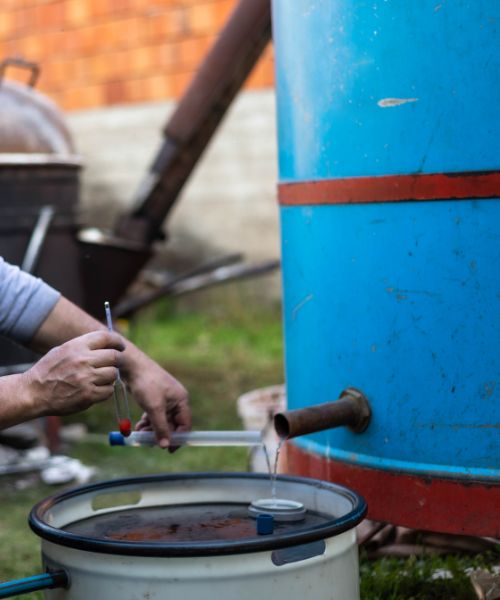
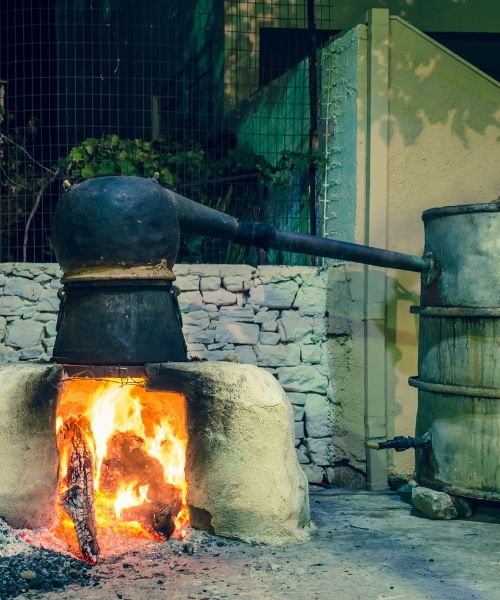
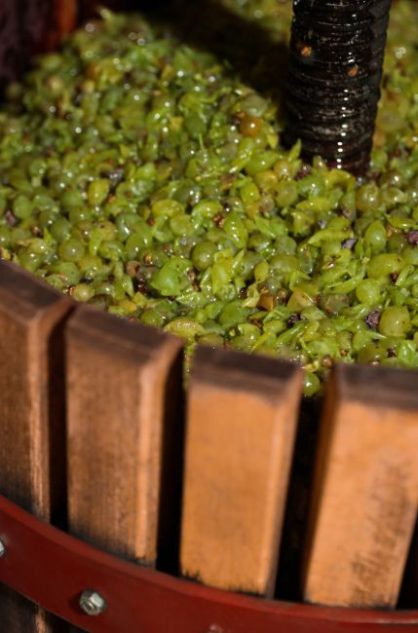
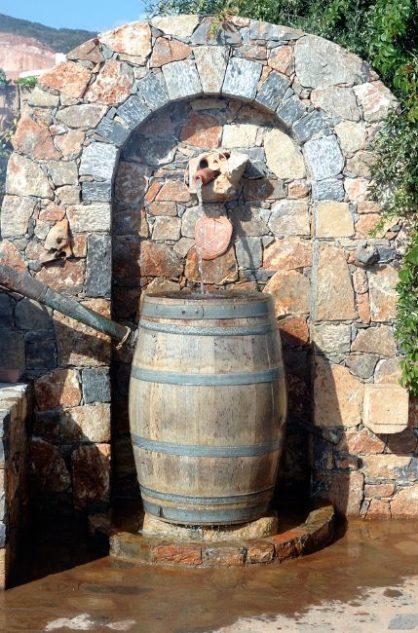
Distillation takes place in a special copper cauldron, called a Kazani. This is composed of a pot, a lid, a pipe, and a cold-water barrel to condense the steam. The produce used is the marc collected mainly from grapes (the skins, seeds, and stems leftover after grapes have been pressed for wine), although other fruits are also used (usually pears and prunes). The fruit marc (called Tsikouda) has a sweet, fermented scent as it’s shovelled into the cauldron.
The first drops, called Protoraki, are distilled at almost 50% alcohol content. While Protoraki is very strong, the final product served in carafes is usually balanced between 37% and 45% ABV. The know-how is passed down from generation to generation, as it requires precision in the fire temperature in order not to burn the fruit marc. The expert Cretan distillers know exactly when to discard the very first and very last drops of the run to ensure the spirit is safe and high-quality.

A long-standing Cretan tradition
Cretans proudly contest the title of the year’s best rakis, each claiming to produce the finest drink. The fresh spirits are put in glass or plastic bottles and kept in the homes’ fridge doors and freezers. It’s a common mistake and joke amongst Cretans, waking up in the middle of the night for some water, and grabbing by mistake the Raki bottle instead of water, completely waking up from the big swallows of clear spirit!
A sign of a good Raki is when the spirit remains slightly thick but still liquid after being frozen. A Raki of lesser quality (containing too much water) includes tiny ice shreds, or, even worse, becomes rock solid. Traditionally, Cretans do not add any special aromatics to flavour the drink, like the aniseed used in Northern Greece’s sister spirit, Tsipouro. Raki has a fruity, grapey flavour, with rich floral notes.
The single distillation process ensures purity and preserves the fruits’ original flavours, making Raki an absolute must-try!
Raki Making Yearly Key Dates
Fact: Home distillation is regulated by laws first issued in the 1920s. Usually, licenses are granted to grape farmers who have lots of grape marc left following September’s harvest.
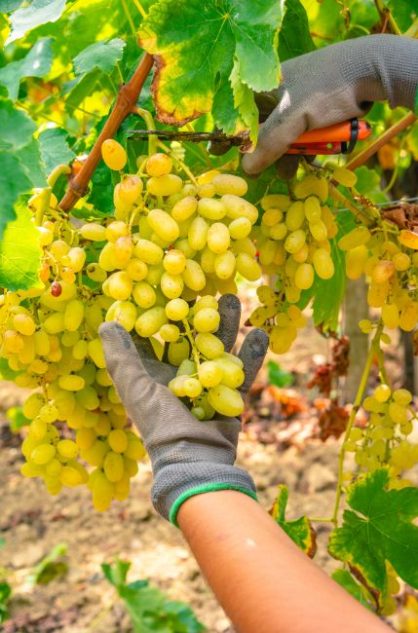
August to early September
Grapes are harvested across Crete.
September to October
Grapes are pressed to make wine, and the leftover grape skins, seeds, and stems are collected and saved to ferment.
October to November
The Raki-making season begins, and invitations are exchanged between friends and family members to participate.
Raki Making Fruits Used to Create Raki
Grapes
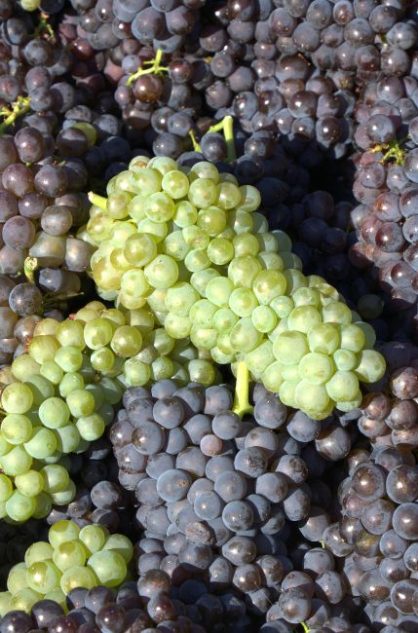
The usual choice, as grapes are produced in thousands of kilos in Crete.
Pears
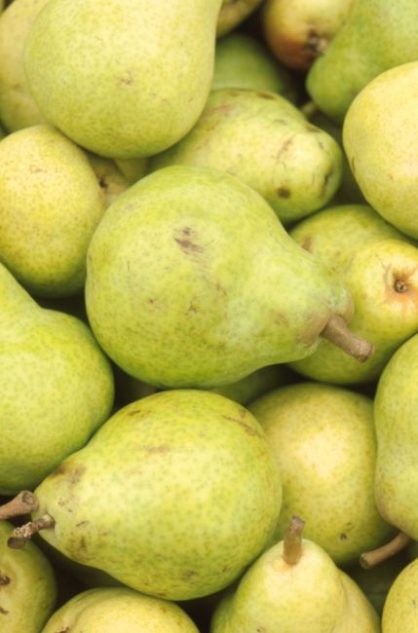
Pear-based Raki undergoes fermentation before distillation. The result is a sharp, though sweeter, softer flavor.
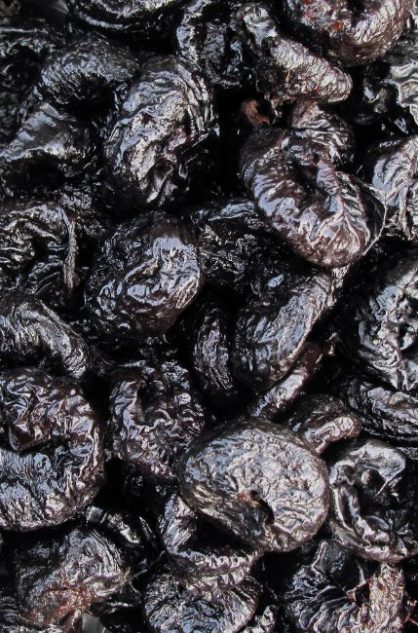
Prunes
The prune Raki is a rare variation, offering the unique sweetness and rich fruity aroma of prunes.
Traditional ways Cretans use Raki to this day
Post-meal:
Any Cretan feast ends with many shots of Raki, paired with sweets, fruits, cheeses, and nuts. Some decades ago, traditional kafenia (coffee shops) in central Heraklion offered Raki with boiled and salted small snails (hohlidakia).
Social drink:
Sharing Raki with friends is common all over the island, in cafes, restaurants, and homes. Medicinal Uses:
Traditionally, Raki has been used as a remedy for cuts and bruises, and it has been rubbed on the chest for colds. Additionally, it is prepared warm and mixed with honey (Rakomelo) to soothe coughs and sore throats.
Raki, an integral part of Cretan Gastronomy
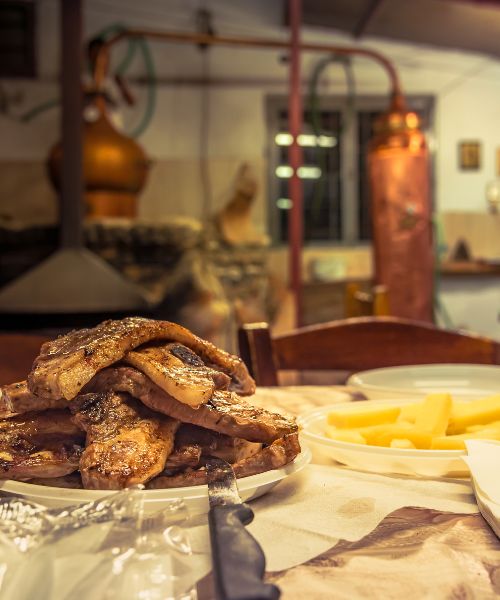
True Cretans know that the food at a Rakokazano is unique—usually potatoes baked in the hot ashes of the fire that heats the cauldron, or lamb “antikristo” cooked nearby. Once produced, raki can be found in all cafés, restaurants, hotels, and bars across Crete.
It’s served with meze plates of small, fried cheese and herbs pies, local strained yogurt (a must-try), boiled eggs cut in four dressed with seasalt and black pepper, potato omelettes, olives, local gruyere and goat cheese, fried meatballs, or small plates of various stews (made with vegetables and some kind of meat, depending on season and availability).
Raki can be enjoyed during or after the meal, as its clear, sharp flavour goes well with any local dish. It’s also an excellent digestive (similar to the Italian grappas). Above all, it’s the social glue in all gatherings, spicing up conversations and lifting spirits!
Latest
From our blog