
Flavour and Aroma
Depending on the dominant plants from which bees collect nectar, Cretan honey ranges from light and floral to dark and intensely aromatic. Thyme Honey, often considered the queen of Cretan honeys, exudes a warm, herbal, slightly spicy taste. Fir and pine honey offer resinous, balsamic tones, while wildflower honey is sweet and gentle. Some batches even develop subtle earthy or citrus undertones, influenced by seasonal blooms and the island’s diverse microclimates, creating remarkably nuanced flavour profiles. The Secrets of Cretan Honey: A Sweet Tradition
Cretan Honey: A Sweet Tradition
Cretan honey is a golden symbol of the island’s heritage as it is pure, aromatic, and crafted through ancient traditions. Discover the flavours, history, and natural secrets behind Crete’s most treasured sweet.

Cretan honey is more than a local product; it is a treasured symbol of the island’s heritage, shaped by ancient traditions, rare flora, and generations of dedicated beekeepers. Renowned for its purity, aroma, and exceptional health benefits, Cretan honey embodies the essence of the island’s landscape and culture. Rooted in Minoan history and sustained through centuries of careful craftsmanship, each jar captures the flavor of thyme-covered hills, mountain air, and sacred rituals that continue to define Cretan life. Discover what makes this golden nectar one of Crete’s most precious gifts.
The tradition of beekeeping in Crete dates back thousands of years, with archaeological findings dating back to Minoan Crete. It seems that honey has always been an integral part of Cretan life, not only as a sweetener but also as a symbol of health and fertility.
Unique Environmental Conditions
One of the main secrets of Cretan honey lies in the island’s unique environmental conditions. Crete’s diverse flora, combining wild herbs, aromatic plants, and endemic flowers, provides the perfect habitat for bees to gather nectar. The most famous type of Cretan honey is Thyme Honey (Thimarisio Meli), characterised by a distinctive, herbal aroma and health benefits.
Other types include the Pine and Chestnut honeys, as well as the Floral Honey (Anthomelo). The Floral Honey has a milder, more fruity taste. Cretans traditionally consume honey as part of their breakfast, in sweets, blended in Raki (Rakomelo), or stirred in herbal teas during the colder winter months.
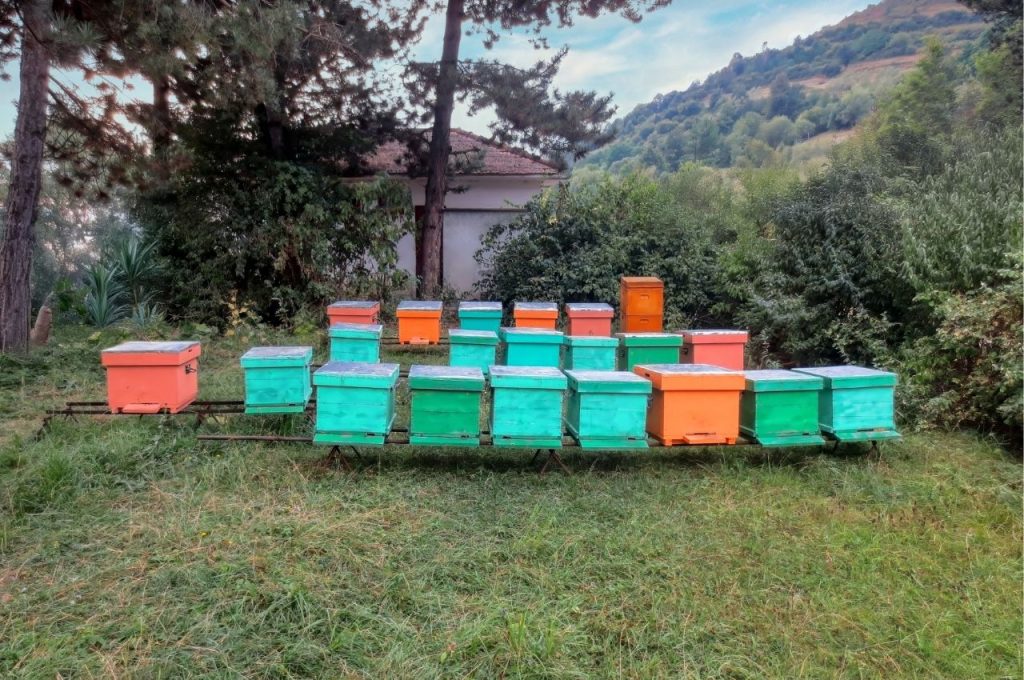
Traditional Beekeeping Practices
The Distinctive Qualities of Cretan Honey
Cretan honey is celebrated worldwide for its unique taste, texture, and health benefits. Here’s why:
Purity and Consistency
Cretan beekeepers stick to traditional, sustainable production methods. This results in the honey being raw and unfiltered, preserving natural pollen granules, propolis, and bee enzymes. The texture can be creamy or crystallised, depending on the floral source and season. Health Benefits
Rich in antioxidants, antibacterial compounds, vitamins, and minerals, Cretan honey has been used for centuries in natural medicine. Thyme honey, in particular, is renowned for its antimicrobial properties and ability to soothe respiratory ailments, boost immunity, and aid digestion. Protected Designation of Origin
Some varieties of Cretan honey, such as those from specific regions, have earned European Union Protected Designation of Origin (PDO) status. This certification recognises their unique characteristics tied to the island’s geography and traditional methods, ensuring quality and authenticity. PDO status also protects producers from imitation, supports sustainable local practices, and guarantees that every jar reflects the true botanical richness and cultural heritage of Crete’s beekeeping tradition.
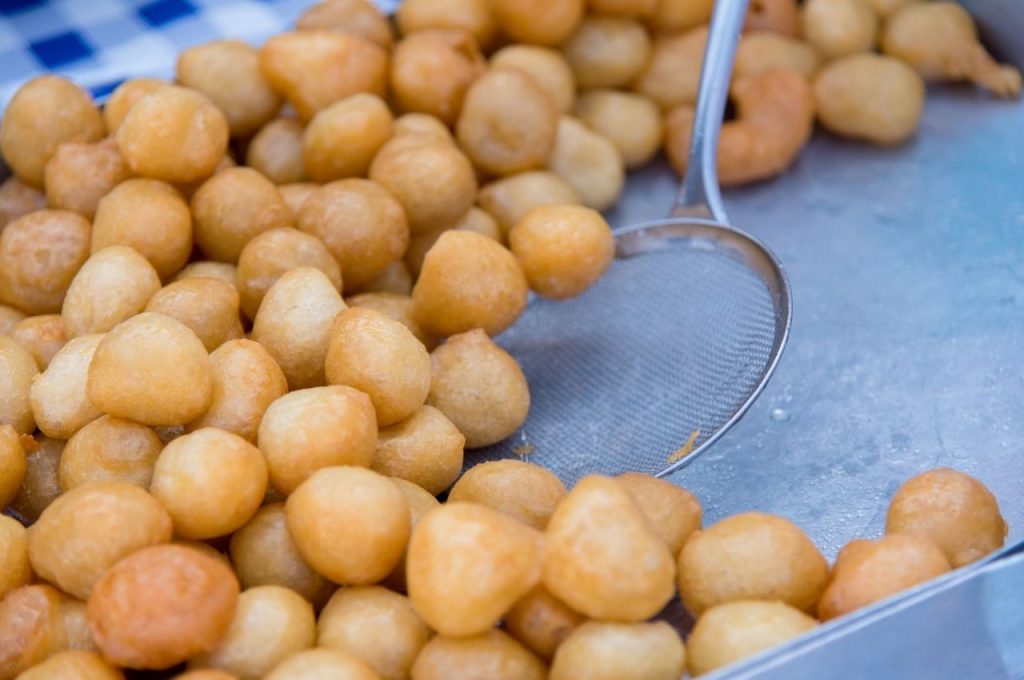
Cooking & Cultural Significance
Sustainability & Future Challenges
While Cretan honey continues to thrive, it faces challenges related to environmental changes, including climate change, habitat loss, and the global decline of the bee population. Local beekeepers are adopting integrated approaches that combine tradition with scientific research to protect sustainable honey production.
They plan native flora, maintain clean environments free from pesticides, and educate the public on the importance of pollinators. This way, they aim to preserve the delicate harmony that gives Cretan honey its extraordinary quality and taste.
Latest
From our blog