
The Cultural and Folk Museum of Neapolis
A Hidden Gem for History Lovers in Crete
For travelers seeking authenticity and depth, this is a stop that transforms a simple itinerary into a journey through time.

If you are based or traveling in the Elounda – Agios Nikolaos area, it is well worth it to make a stop in the lovely town of Neapolis and visit the Cultural and Folk Museum, a living archive of memory, identity, and tradition. For travelers seeking authenticity and depth, this is a stop that transforms a simple itinerary into a journey through time.
A Museum Built on Community, Memory, and Purpose About the Museum
A Historic Building That Tells Its Own Story
The museum is housed in a landmark building dating back to 1870, during the final period of Ottoman rule in Crete. Once home to the region’s only high school until 1916, the structure itself is a preserved historical monument. Its stone architecture, wooden tiled roof, and distinctive Π-shaped layout surround a central atrium that is now a vibrant cultural space hosting music events, theater performances, and workshops inspired by local traditions.
What to See: A Journey Through Cretan Life
Each section of the museum offers a layered narrative of life in Crete across different eras and social classes.
Historical Collection
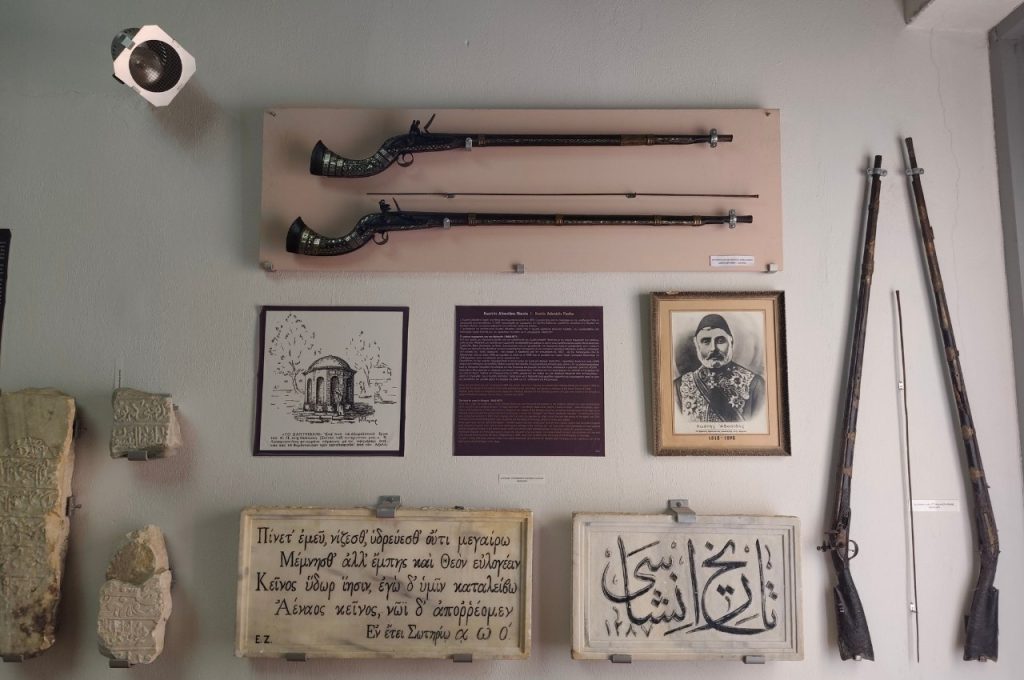
Discover artifacts from when Neapolis served as the administrative center of Lasithi. Highlights include a historic fountain inscription and a Greek flag from the Therissos Revolt, still marked with blood, a powerful symbol of Crete’s path to union with Greece.
Farmhouse Reconstruction
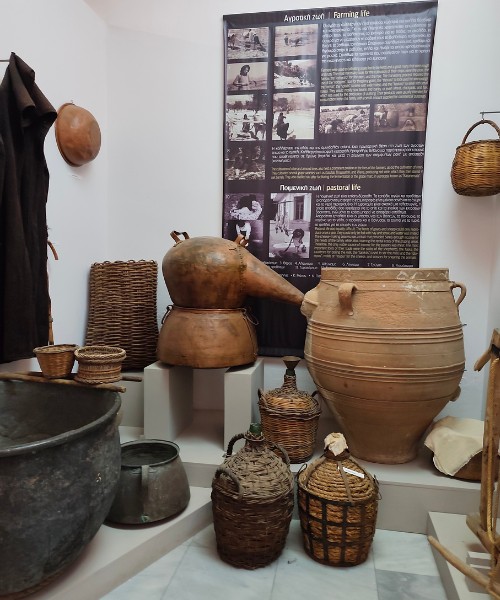
Step into a traditional one-room rural home, complete with an arch and fireplace. This exhibit reflects the self-sufficient yet demanding life of villagers, many of whom relied on livestock farming.
School Life
Explore the educational roots of the region through materials from the first high school, a place that shaped generations of scholars and intellectuals.
Café–Barber Shop
A traditional “social hub” where men gathered, not just for grooming, but for a cup of coffee and conversation.
Trade, Press, and Photography
Learn how local commerce, particularly carob, almonds, and olive oil, sustained the economy. Typography and photography capture moments from weddings to political gatherings, offering a visual window into the past.
Traditional Professions
Meet the craftspeople of another era: tailors, shoemakers, carpenters, and saddle makers. Some of these professions have now disappeared, making their tools and stories even more valuable.
The Loom House
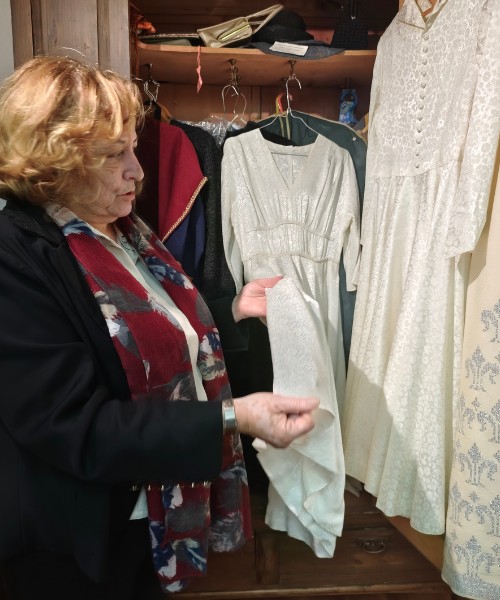
A tribute to the artistry of women, this section showcases intricate textiles once essential to every household. From blankets to clothing, each piece reflects skill, creativity, and cultural identity.
Church Collection
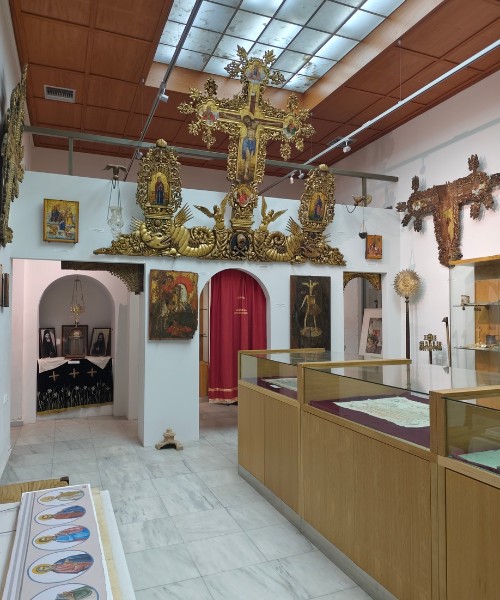
An impressive display of ecclesiastical art, including a rare “icon of death” that blends folk imagination with ancient Greek mythological symbolism.
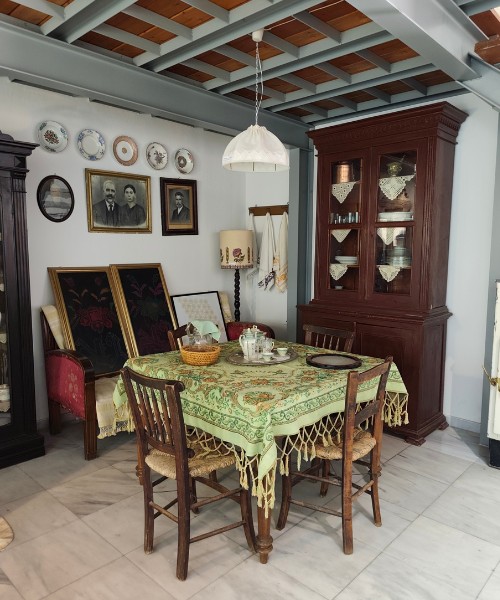
The Urban House
Contrast rural life with the refined lifestyle of Neapolis’ wealthier residents. Neoclassical interiors, early modern appliances, and decorative influences from Europe and Asia Minor, such as Iznik ceramics, paint a picture of elegance and cultural exchange.
Plan Your Visit
Why Your Visit Matters Wrap Up
A visit to the Cultural and Folk Museum of Neapolis is not only culturally enriching; it actively supports a non-profit initiative sustained largely by volunteers. Your presence helps preserve stories, traditions, and knowledge that might otherwise fade.
For those who value meaningful travel, this museum offers something rare: a genuine connection to place, people, and history.
From our blog