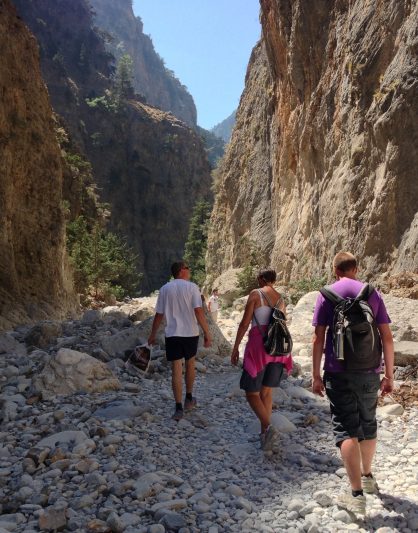
The guided route through the cave lasts approximately 25–30 minutes and follows well-maintained walkways.
Wear comfortable shoes as there is occasional humidity and uneven surfaces.
Hidden beneath the mountains of Crete near the traditional village of Zoniana, Sfendoni Cave is one of the island’s most impressive natural attractions.

Known for its striking stalactites and stalagmites, underground chambers, and fascinating local history, the Sfendoni cave attracts visitors looking to experience a different side of Crete beyond the beaches and resorts.
For travelers searching for the best caves in Crete, or unique day trips in inland Crete, a visit to this underground landmark offers a memorable combination of geology, mythology, and local culture.
The cave’s chambers were named by Greek speleologist Anna Petrocheilou, who also mapped the cave in 1966.
During the tour, visitors pass through areas known as:
“The Chapel” is among the most striking sections, where rows of stalactites resemble the pipes of a church organ.
The “Chamber of the Lost Child” takes its name from the discovery of a child’s skeleton estimated to date back several centuries, adding another layer of mystery to the cave’s history.
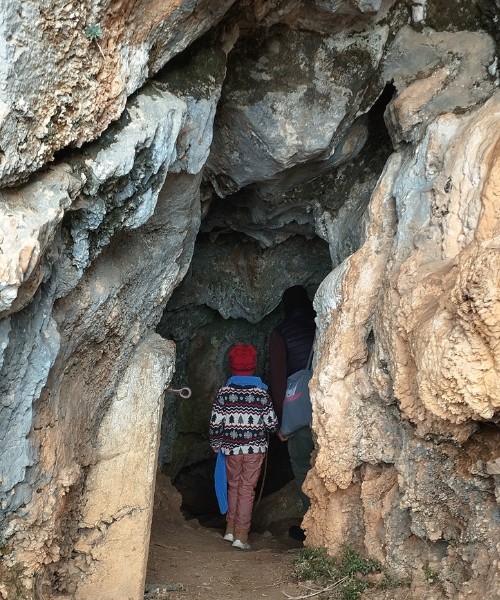
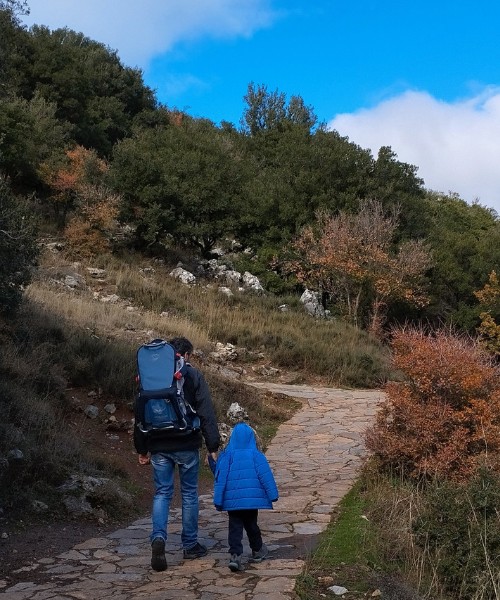
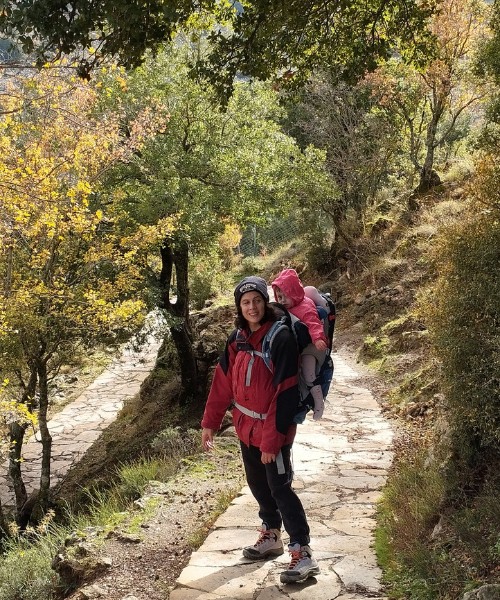
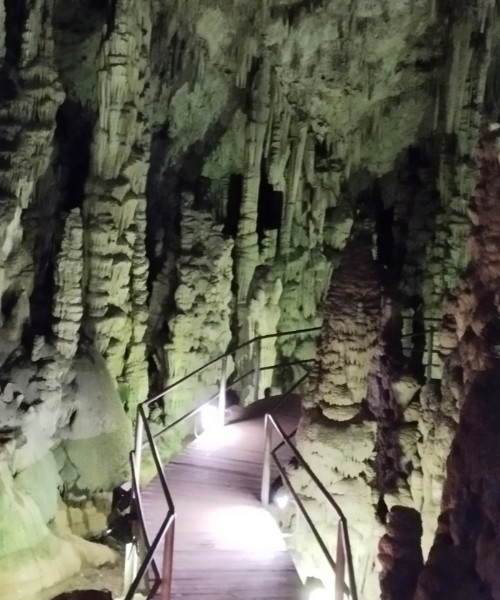
Before becoming a tourist site, the cave was known locally as the “Hole of Sfentoni,” mainly because its original entrance was extremely narrow.
According to local tradition, the cave may have once served as a refuge for a rebel named Sfentonis, although historians cannot confirm whether he was an actual historical figure. Archaeological findings do show, however, that the cave was used by humans over long periods of time.
Excavations have revealed pottery fragments, stone tools, and traces of Neolithic activity. In more recent centuries, villagers from Zoniana reportedly used the cave to help mature local cheese thanks to its naturally stable temperature and humidity.
Stories like these are often shared during the guided tour, giving visitors a stronger sense of how connected the cave remains to local memory and tradition.
The guided route through the cave lasts approximately 25–30 minutes and follows well-maintained walkways.
Wear comfortable shoes as there is occasional humidity and uneven surfaces.
Summer season (April 15 – October 31):
Daily, typically 10:00 – 18:00
Winter season (November – mid-April):
Open Sundays only, 10:00 – 14:30
Adults: €7 | Children (up to 14 years): €4 | Groups (15+ people): €5 per person
Tickets are purchased on-site, and the guided tour is included in the price.
The optimal period to explore Sfentoni Cave is between late spring and early autumn (May–September), when:
The cave operates daily. Weather conditions in Crete are ideal for combining the visit with nearby attractions. Accessibility and tour frequency are at their peak
At True Cretan, we believe that discovering Crete means going beyond the obvious and connecting with the island’s hidden stories, landscapes, and traditions. Places like Sfentoni Cave reveal a side of Crete that many visitors never experience, one shaped by nature, mythology, local history, and centuries of human presence.
As a team of local experts born and raised in Crete, we are passionate about creating meaningful experiences that bring these lesser-known treasures to life. Whether you are fascinated by geology, mythology, archaeology, or authentic village culture, we can help you build a tailor-made itinerary that combines Crete’s most remarkable natural wonders with unforgettable local encounters.
Explore the island with those who know it best and discover the true heart of Crete, one extraordinary experience at a time.