Crete for History Buffs

Step into Crete’s layered past, where ancient civilizations, empires, and myths unfold across palaces, fortresses, monasteries, and battlefields in one of Europe’s richest historical landscapes.

Written by Maria Chaloglou on December 9, 2025

Crete is a treasure trove for history lovers. Its breathtaking landscape is, in many ways, a living museum spanning thousands of years. From the ancient Minoans to the Byzantines, Venetians, and Ottomans, Crete’s past unfolds like the pages of a richly illustrated historical novel, layered, complex, and deeply connected to the land itself.

Crete’s Civilizations

Europe’s First Advanced Civilization: The Minoans

The Minoan civilisation flourished on the island from approximately 2600 to 1100 BCE. Centred primarily around the palace complexes of Knossos, Phaistos, Malia, and Zakros, the Minoans developed a sophisticated society known for remarkable achievements in art, architecture, and trade.

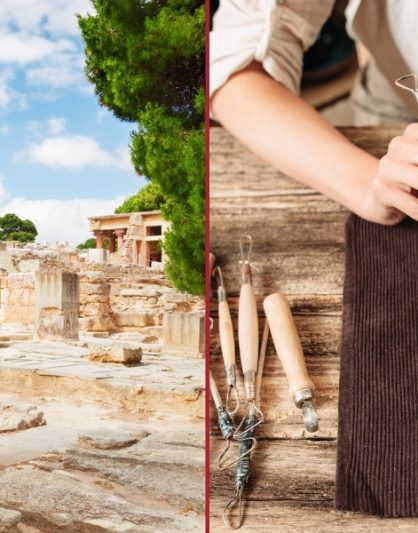
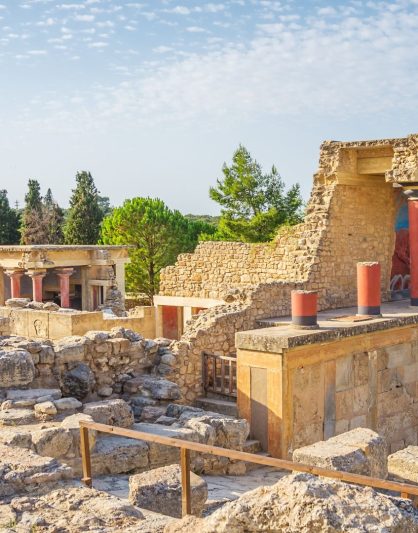
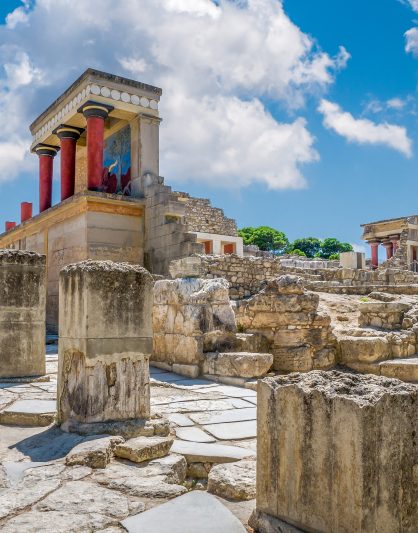
The best-known Minoan site is the iconic Palace of Knossos. It is located about 10 minutes by car from modern-day Heraklion. This extensive complex is believed to function as a political and religious centre. Knossos features multi-storied buildings, advanced drainage systems, and colourful frescoes depicting nature, rituals, and sports, all signs of a highly organised and cultured society. One of the persistent mysteries is the still-undeciphered script known as Linear A. 

The Minoans’ influence extended across the Aegean and Mediterranean. They traded pottery, olive oil, possibly wool, and wine in exchange for precious metals and other valuable goods. Their myths, particularly the legend of King Minos, the Labyrinth, and the Minotaur, are deeply rooted in the local culture.
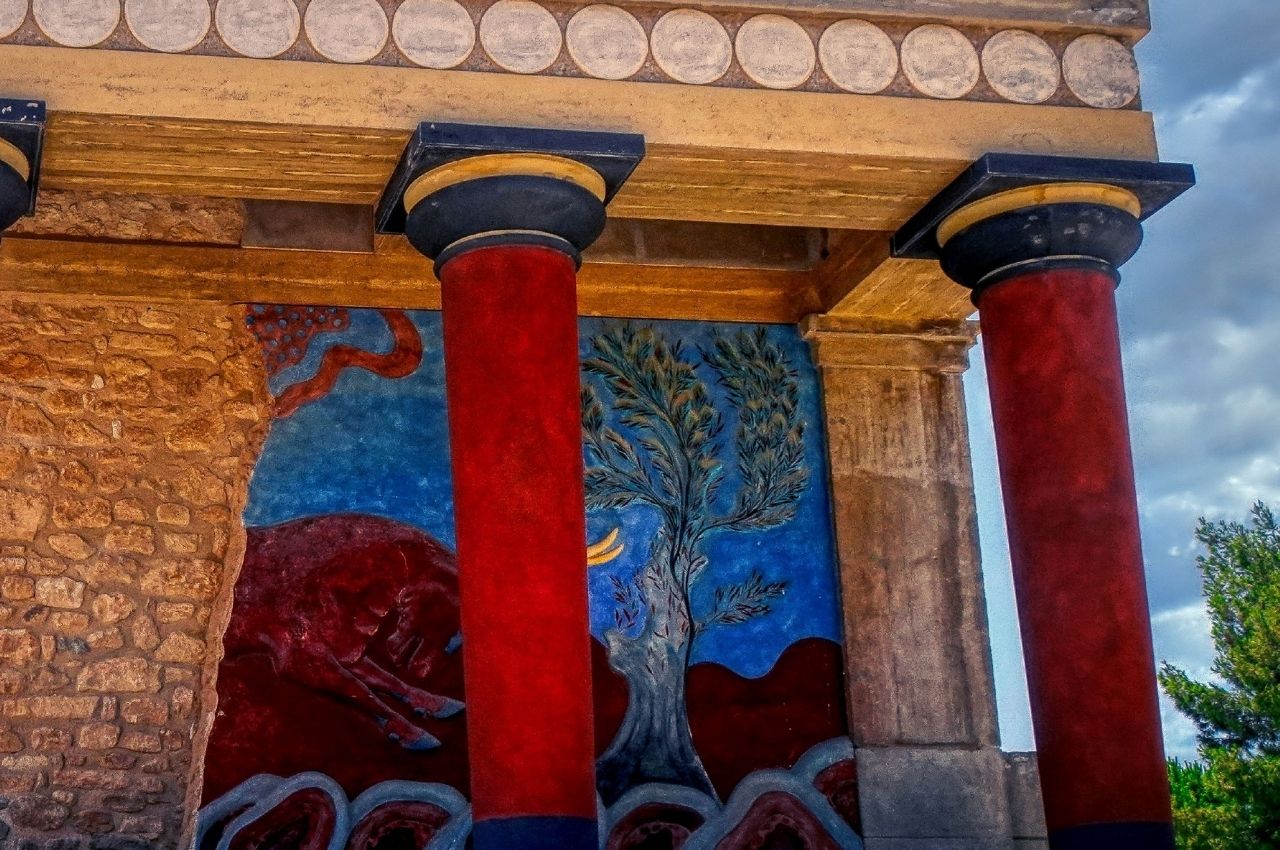
Crete for History Buffs - Knossos -CV.

Mainland Greeks and Roman Rule

The Minoan civilization came to a sudden decline around 1450 BCE. Around the same time, the Mycenaeans from mainland Greece took over the Minoan palaces and brought new political and cultural systems. The island later fell under the sway of Classical Greek city-states (some examples are Kydonia, Lyttos, and Lato) and then the Roman Empire. Each phase contributed new strata to Crete’s rich archaeological heritage.

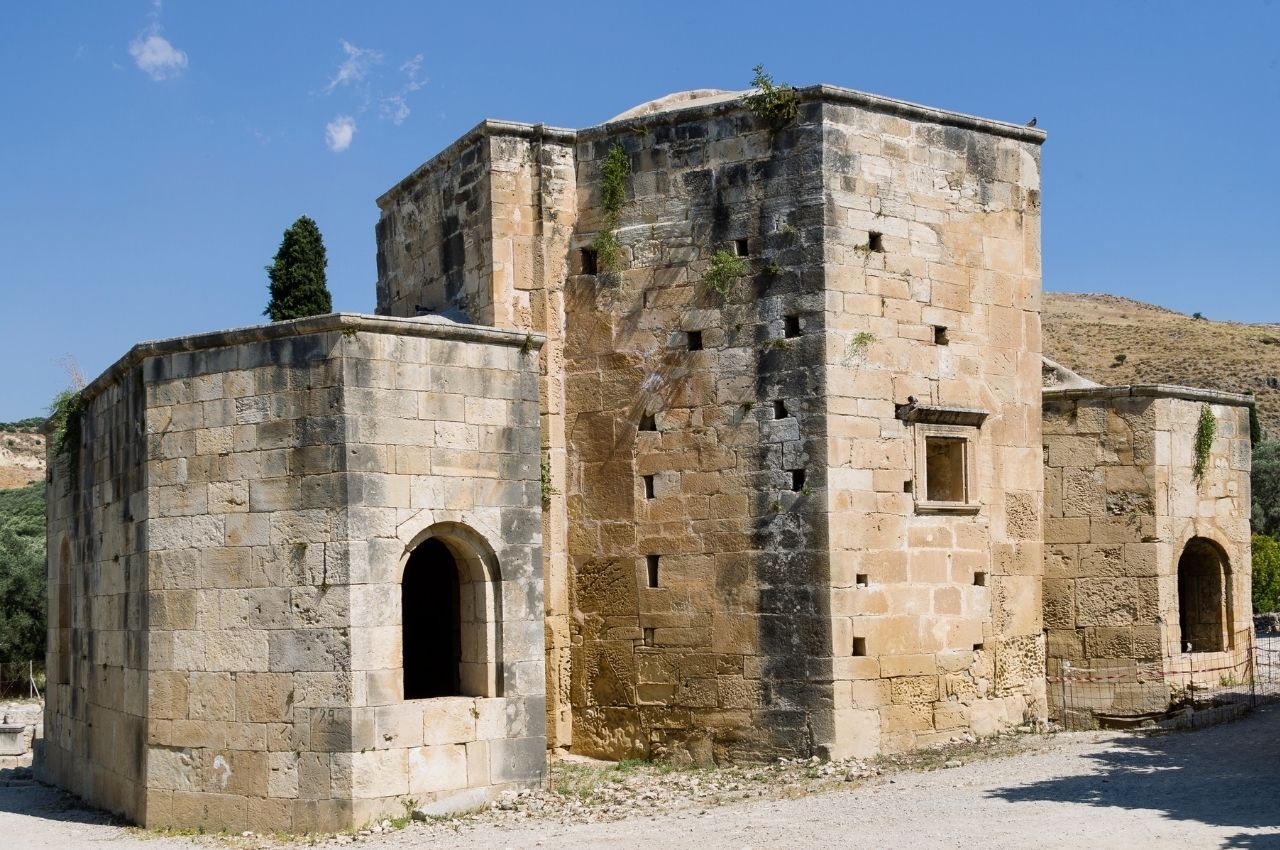
The Romans elevated Crete’s strategic importance by integrating it into the province of Crete and Cyrenaica. They constructed extensive road networks, forums, and public baths, some of which still survive in fragments. An important Roman site on Crete was located in the area where modern Hersonissos is situated, on the island’s north coast. The Romans called it Cresonesso.  Additional sites include the Roman villa in the Skotino region and the amphitheatre of Gortyn.

Crete for History Buffs - Gortyn -CV.

Byzantine Crete

As the Roman Empire split and the Eastern Roman (Byzantine) Empire emerged as the dominant power, Crete entered a new era shaped by Christianity and Byzantine political structures. Between the 4th and 9th centuries CE, Crete became a strategic outpost of the Byzantines in the Eastern Mediterranean. This was a turbulent era, marked by external threats and challenges. The island was seized by Arab pirates in the 9th century, becoming an emirate that lasted several decades before Byzantine forces reclaimed it. 

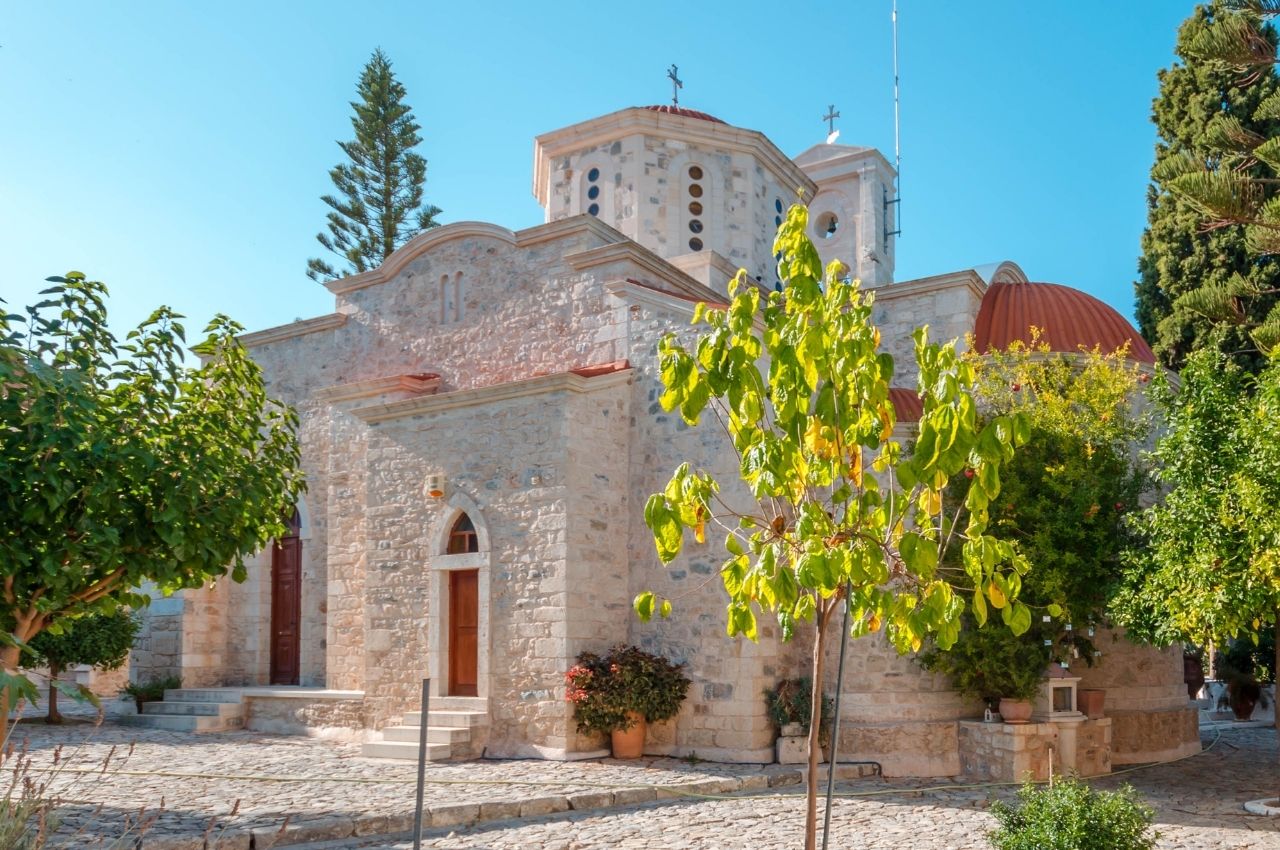
Hundreds of beautiful Byzantine Churches, with their distinctive domes and intricate frescoes, dot the island. An incredible Byzantine Monastery to visit is Agarathos in central Crete (located in Pediada, within a 20-minute driving distance from Heraklion), which is believed to have been founded during the Second Byzantine Period (961-1204 AD) and originally belonged to the Kallergis Family. Another beautiful monastery to visit is Arkadi, located approximately half an hour by car east of Rethymnon, with some traditions attributing its origins to Byzantine emperors Heraclius or Arcadius.

Crete for History Buffs - Agaranthos monastery Heraklion -CV.

Crete Under the Venetians

One of the most interesting chapters in Crete’s history came with the Venetians, who ruled the island from 1205 to 1669. Venice, a maritime powerhouse with aspirations to dominate Mediterranean trade, transformed Crete into one of its most valuable overseas territories, known then as the Kingdom (Vasileion) of Candia.

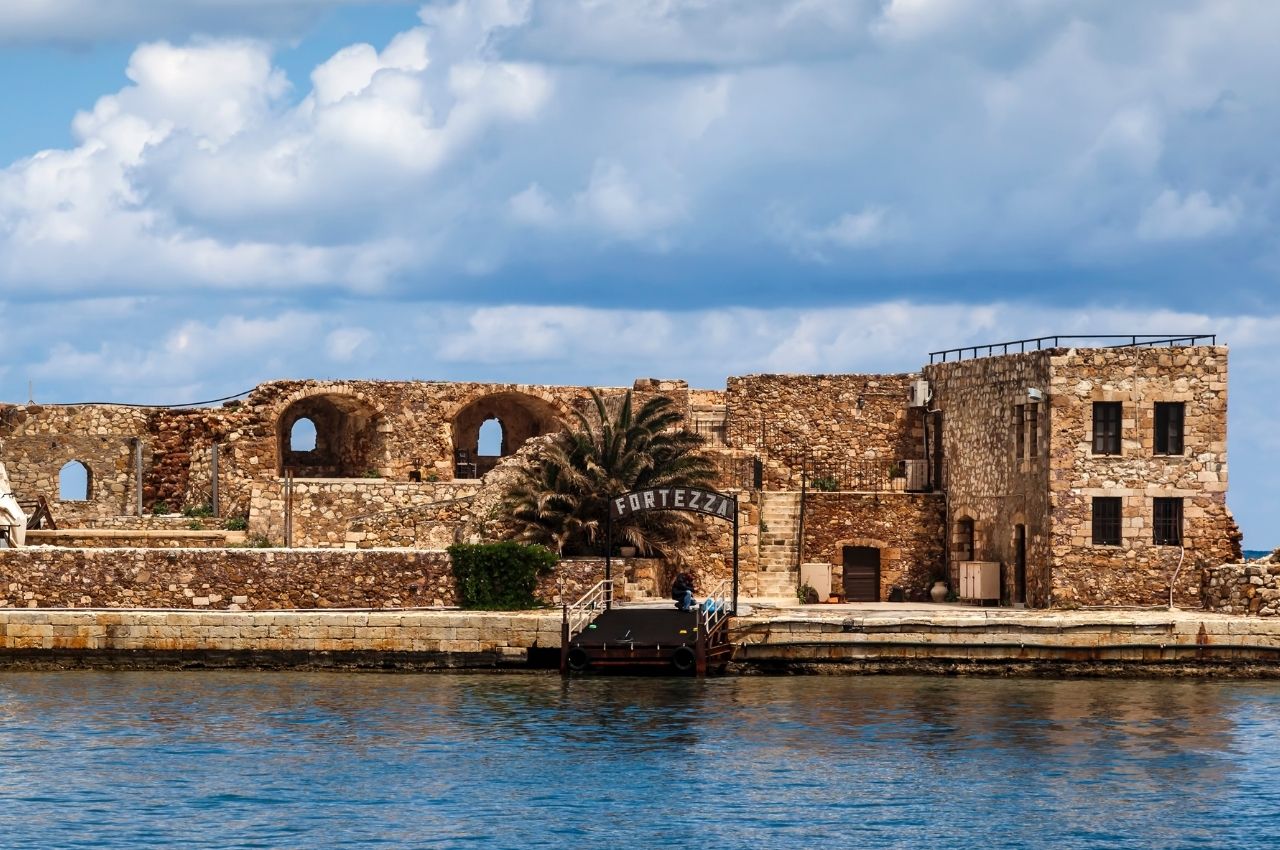
The Venetians fortified key cities such as Heraklion, Chania, and Rethymno, leaving behind castles, walls, and harbours. The Koules Fortress in Heraklion, the Fortezza in Rethymnon, and the Fort Firkas in Chania still stand as testaments to Venice’s engineering skills.

Under the Venetians, Crete produced notable figures such as the poet and playwright Vitsentzos Kornaros, whose work Erotokritos remains a cornerstone of Cretan literature, and the iconic painter Domenico Theotokopoulos (El Greco). But Venetian rule was not without conflicts. The long and brutal Cretan War (1645–1669) between Venice and the Ottoman Empire culminated in Crete’s fall to the Ottomans and the end of the Venetian Period on the island. 

Crete for History Buffs - Fort Firkas Chania -CV.

Ottoman Crete

The Ottoman conquest marked a new chapter that lasted nearly 250 years. Ottoman rule had a lasting impact on Crete’s culture and society. Mosques, baths (hammams), and public buildings appeared in towns, and many churches were either converted or coexisted with Islamic religious buildings. Cretan daily life adapted during this era, blending culinary traditions, architectural styles, and social customs from both Christian and Muslim communities.

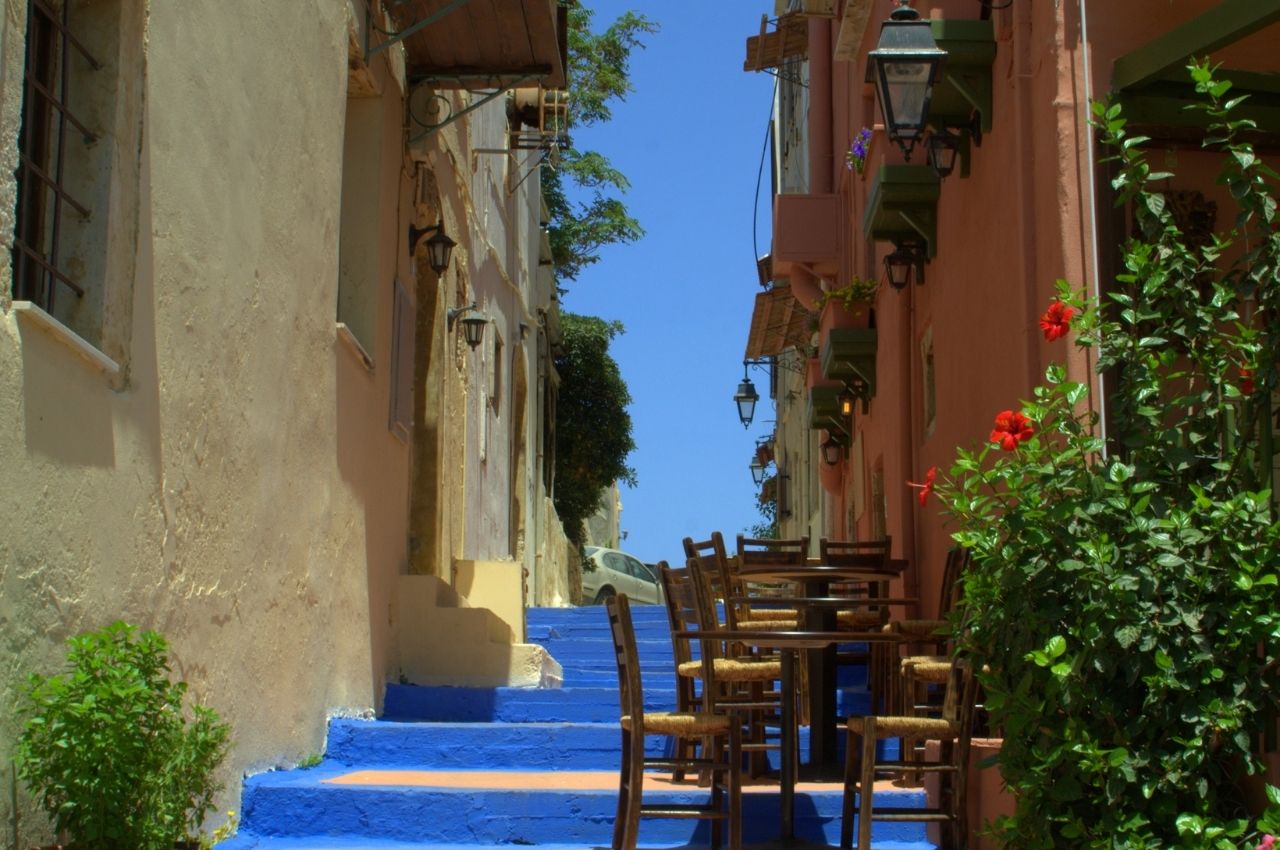
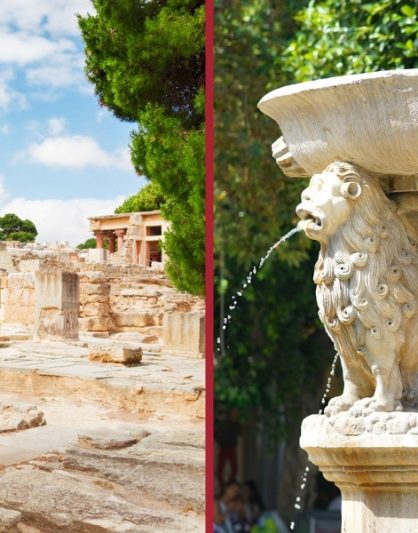
One of the most fascinating Ottoman-era sites is the Old Town of Rethymno, where narrow streets, stone houses, and Ottoman fountains preserve the spirit of this period. The island’s history during this time includes dramatic episodes, such as the Great Cretan Revolt (1866–69), which testifies to the Cretans’ long-standing desire for freedom and independence and their enduring spirit of resistance.

Crete for History Buffs - Old Town Rethymnon -CV.

Crete in the Modern Greek State

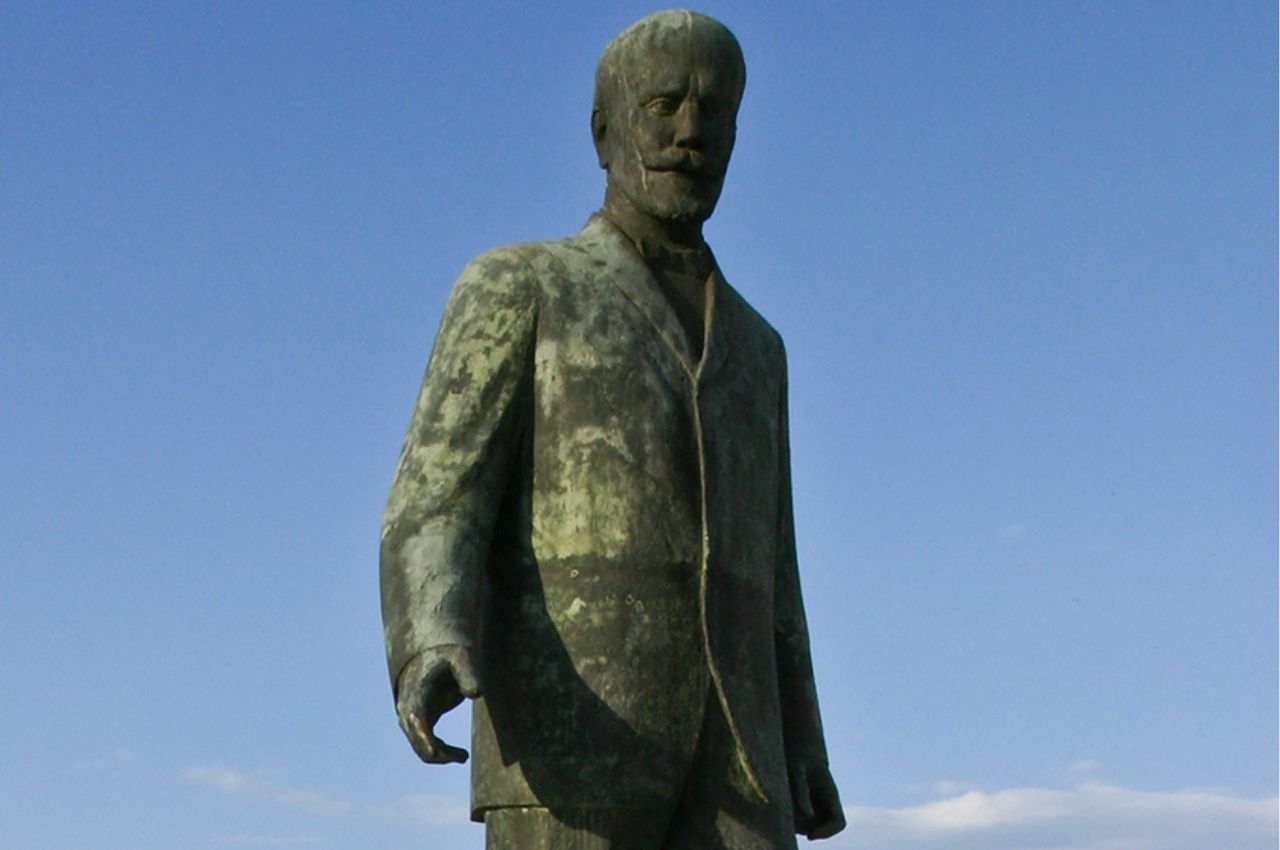
In 1898, Crete gained autonomy, and the new Cretan State (Kritiki Politeia) was founded.  The most influential Greek politician of the 20th century, Eleftherios Venizelos, was the leader of the Therissos Revolution, demanding that Crete be united with mainland Greece.  Crete was finally united with Greece in 1913. The 20th century brought modernisation but also challenges, including wars, occupations during World War II, and the more recent struggle between tradition and progress.

Sites related to the Cretan resistance during World War II, such as the town of Sfakia and the Maleme battlefield, both critical locations of the Battle of Crete, which took place in 1941, stand as powerful reminders of the island’s role in global conflicts. The difficult years that followed included the Greek Civil War (1946-1949) and the Greek Junta (1967-1974).

Since 1975, Crete has experienced a period of sustained peace, characterised by the growth of tourism and large-scale agricultural development. 

Crete for History Buffs - Venizelos -CV.

Key Locations for the History Buff

To truly understand Crete’s layered past, we highly recommend visiting:

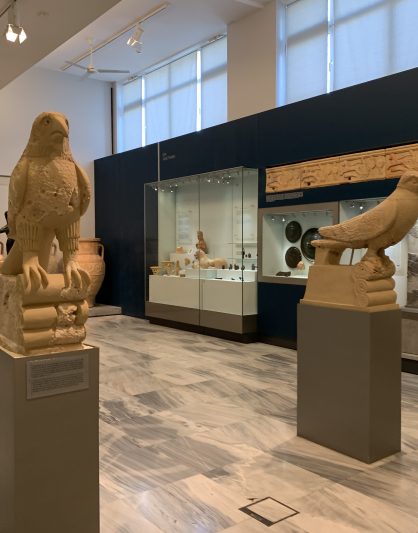
Knossos Palace & Heraklion Archaeological Museum
Start here to understand the Minoan civilization, the earliest chapter in Crete’s history.
Ancient Gortyna (south of Heraklion)
Experience the blend of ancient Greek and Roman life.
Byzantine Treasures
Visit the Church of Virgin Mary (Panagia) in Kapetaniana, the Church of St Anthony (Agios Antonios) in Agiofarago, and the monasteries of Koudouma and Panagia Odigitria.
Venetian Remains
Explore the massive Venetian city walls and forts in Heraklion, Rethymno, and Chania. Enjoy your morning coffee in one of the many cafés near Rethymnon’s traditional meeting point, the Rimondi Fountain.
Ottoman Traces
Visit the remains of Ottoman mosques, fountains, and public buildings in Heraklion (Vizier Mosque, the Sebil Fountain in Kornarou Street, the Efkafi Building in Evans Street) and Rethymnon (Neradje Mosque, today housing the Municipal Music School in Vernardou Street, the Mosque of Kara Musa Pasha in Arkadiou Street, and the Mosque of Turhan Hatice in Tompazi Street).
WWII Sites
Visit Maleme, Sfakia, Tavronitis Bridge, the Village of Kontomari, and Souda Bay (all in western Crete), all of which are essential sites from the Battle of Crete. We collaborate with a world-class expert in the field who can provide an immersive tour of Crete during World War II. For more information, please let us know!

Final Thoughts

Crete’s history is not confined to museums or archaeological sites; it lives in the island’s towns, landscapes, traditions, and collective memory. Crete offers history lovers an unparalleled journey through time, from the grandeur of the Minoan palaces and Byzantine monasteries to Venetian fortifications, Ottoman quarters, and modern resistance landmarks.

Each era has left visible traces, layered one upon another, creating a cultural mosaic that rewards curious and thoughtful exploration. To walk through Crete is to witness resilience, creativity, and continuity. For history buffs, the island is not simply a destination; it is an ongoing conversation between past and present, inviting visitors to connect deeply with the forces that shaped both Crete and the wider Mediterranean world.

Contact us and Book a Personalized Experience

Latest

From our blog

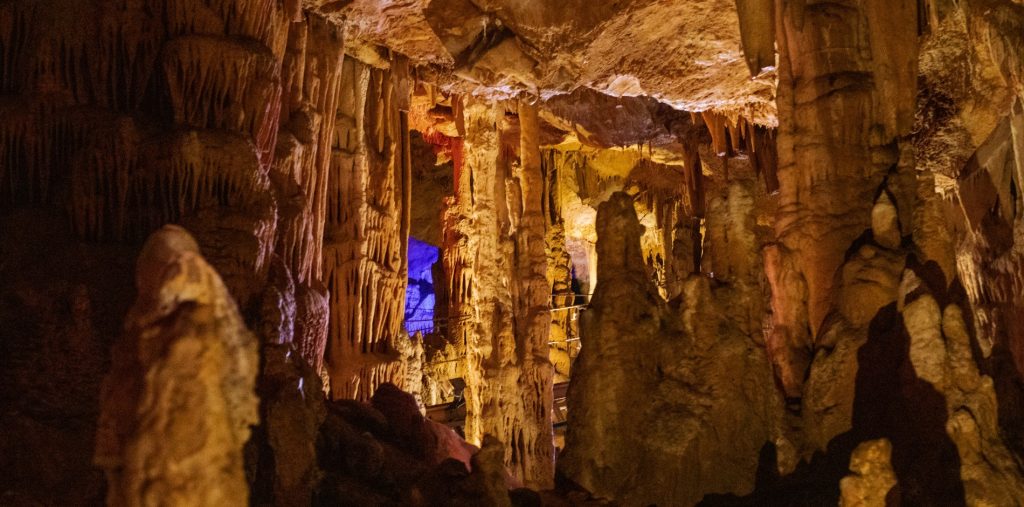
multicolored abstract stalagmites sfendoni cave - CV Featured
Sfendoni Cave in Zoniana, Crete

Discover Paleochora, Crete\'s laid-back south coast gem. Explore stunning beaches, authentic tavernas, hiking trails, and local Cretan culture.

Continue reading

© True Cretan 2025 | Greek Ministry of Tourism | Travel & Tour Operator License: 1039E70000463601