
Perhaps the most famous and prized, Dittany of Crete is a rare herb unique to the island’s mountain areas. It is locally known as Diktamos or Erondas (meaning love). It has been used since ancient times for its antimicrobial and wound-healing properties. The fragrant leaves are slightly bitter and minty, used fresh or dried to flavour teas, meat dishes, and sauces.
Cretan Herbs and Spices: Aromatic Treasures
Cretan Herbs and Spices
Crete’s aromatic heritage is long. Discover it through the local aromatic herbs and spices.

Crete is renowned for its rich diversity of herbs and spices, a natural treasure that has shaped the island’s culinary identity for centuries. From the rocky highlands to the fertile plateaus, Cretans have long relied on the land’s aromatic gifts for both nourishment and healing.
These wild herbs, fragrant, potent, and deeply connected to local tradition, play a central role in everyday cooking, therapeutic remedies, and cultural heritage.
They’re infused into teas, added to rustic dishes, or used in natural medicine. As such, they reflect the island’s enduring bond with nature. In this article, we explore Crete’s most iconic herbs and the stories behind them.
The Unique Environment of Crete
Crete’s geography and climate create ideal conditions for many aromatic plants. The island’s hot, dry summers, mild, wet winters, and unique topography allow the local herbs to thrive.
The Cretan wild herbs grow abundantly in the rocky hills and sunny plateaus, doing well in soils often poor in nutrients but rich in mineral content. The Cretans have a profound knowledge of these plants, having learned to harvest and use them over the course of millennia.
Explore our Food Tours in Crete!
Key Cretan Herbs and Spices
Dittany of Crete
Oregano
Oregano is a staple herb across the Mediterranean, but Cretan oregano is known for its intense aroma as it contains higher oil content. It is widely used in savoury dishes, including dakos (rusk bread with grated fresh tomatoes and olive oil), lamb, grilled vegetables, and traditional pies. It is packed with compounds like carvacrol and thymol that exhibit antibacterial and anti-inflammatory effects.
Thyme
Thyme grows wild in abundance across Crete, especially on rocky slopes and coastal areas. It is a fundamental herb in Cretan cooking, used in marinades, oils, cheeses, and bread. Cretan Thyme’s strong, slightly peppery flavour also carries antibacterial and antifungal properties, contributing to the natural preservation of the food.
Sage
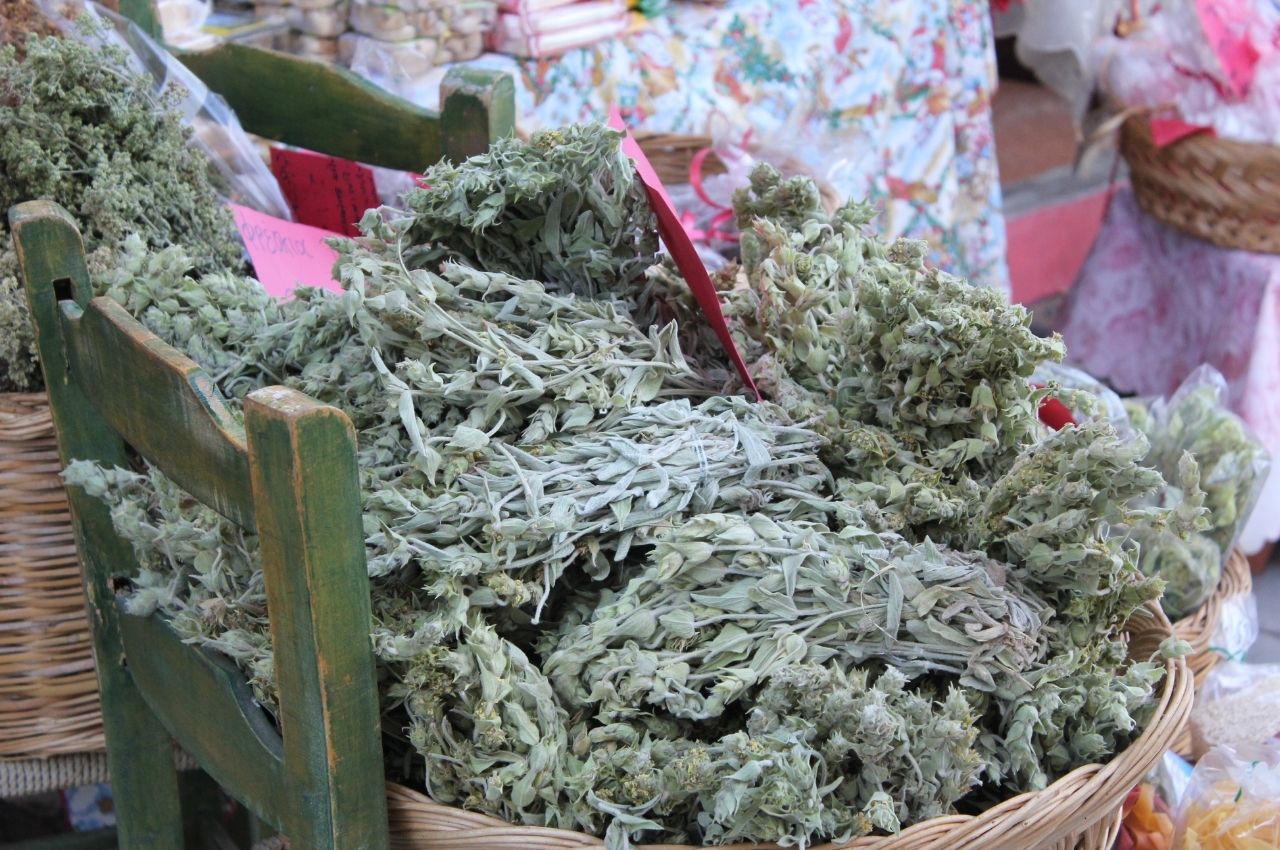
Known locally as Faskomilo, Cretan sage has a strong, slightly camphor-like aroma that differs from that of other common sages. Its leaves, fresh or dried, are used in cooking. The herb is also consumed in teas, as it’s believed to aid digestion, breathing, and memory.
Rosemary
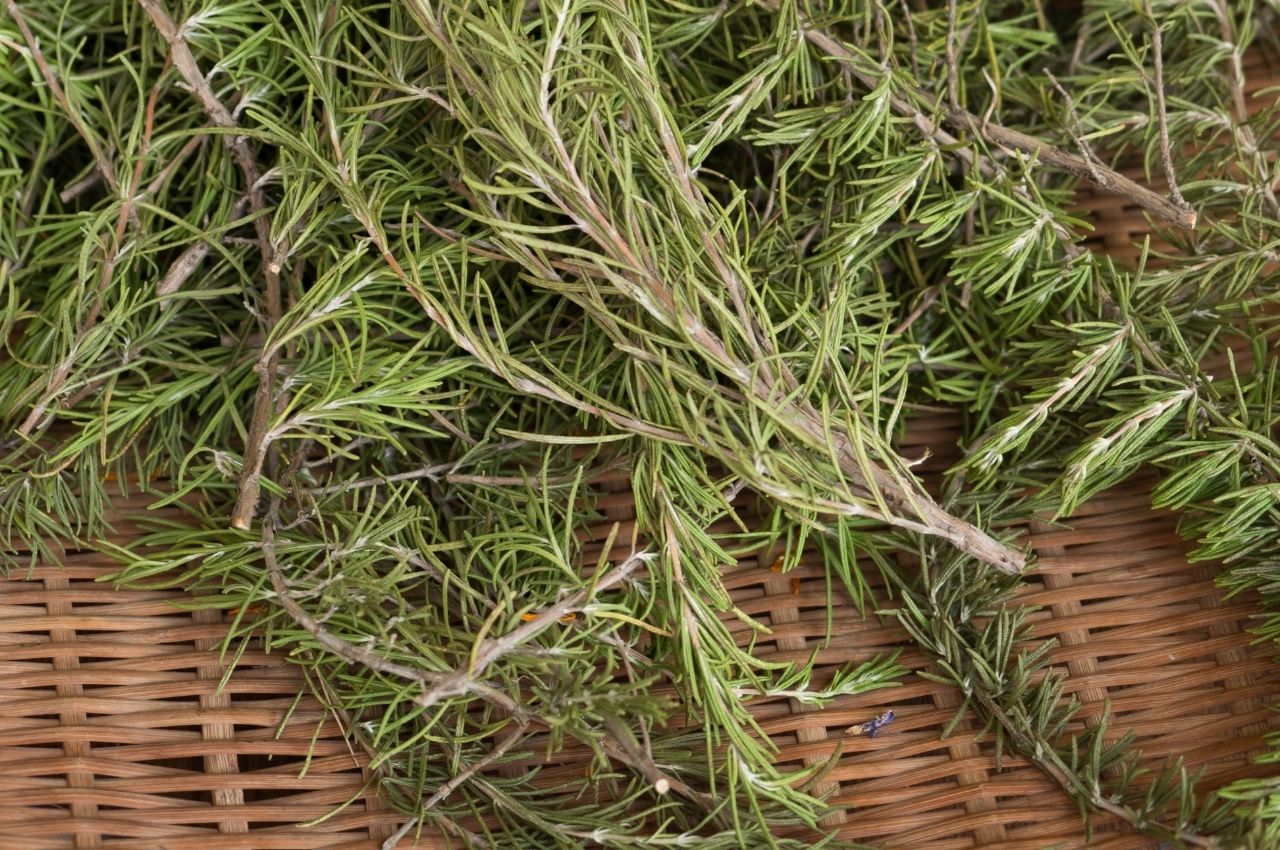
With its piney fragrance and sturdy woody stems, rosemary is iconic in Greek cooking and grows wild on Crete’s hillsides. The Cretan Rosemary pairs excellently with roasted meats, potatoes, and dishes based on olive oil (Ladera). It is believed to aid breathing and cognitive function.
Mountain Tea
The Cretan Mountain Tea has a mild, lemony flavour and is brewed to make herbal teas, as it’s known to reduce inflammation and soothe colds. It’s a well-loved hot drink during colder months and a symbol of Cretan hospitality. The hot tea is sweetened with Cretan honey, resulting in a mild and flavorful drink.
Wild Fennel
Wild fennel flourishes in Cretan fields and along roadsides. Both its feathery leaves and seeds are used in cooking, contributing a sweet, anise-like fragrance. Wild fennel complements fish dishes and salads, and is often infused into olive oil, breads, and traditional herbal remedies cherished by local households.
Bay Laurel
The Cretan Bay leaves are used in stews, sauces, and soups, adding a subtle depth of flavour and aroma. Some of the most famous Cretan dishes are the Ladera, which is based on vegetables, cuts of meat, and extra-virgin olive oil. Bay leaves are commonly used in these dishes as they enhance tomato-based sauces with a mild woody flavour.
Explore our Cooking Classes in Crete
Final Thoughts
Cretan herbs and spices are more than culinary treasures. They are a living link between the island’s past and present, offering flavour, wellness, and a true sense of place.
As a team of born-and-raised Cretans, culinary experts, and passionate cultural storytellers, we bring firsthand knowledge of these traditions, working closely with local producers, cooks, and foragers. Our experience allows us to carefully curate authentic food-focused experiences that reflect Crete’s history, climate, biodiversity, and culinary soul.
Whether you discover these aromatic treasures through our food tours or cooking classes, you can trust that every recommendation is rooted in deep local insight, cultural expertise, and our commitment to sharing genuine Cretan heritage.
Latest
From our blog