
The Health Benefits of the Cretan Diet: A Mediterranean Secret
On Crete, Eating Well Is a Way of Life
On Crete, food is not counted in calories or trends. It’s shaped by the land, the seasons, and the people who gather around the table. The Cretan diet is not a set of rules, but a rhythm of living that quietly supports health, balance, and longevity.

Crete is not only about mountains and beaches. For anyone who has spent time on the island, it is just as much about the table. Sitting in a Cretan home or a small village taverna, you quickly realize that what we call the “Cretan diet” is not a theory or a modern concept. It is everyday life. Simple ingredients, food cooked with care, and meals shared slowly are woven into the island’s daily rhythm.
The Foundation of the Cretan Diet
At the heart of the Cretan diet is olive oil, often referred to locally as “liquid gold.” In many households, it is used generously and daily, poured with confidence rather than measured. Fresh greens, seasonal vegetables, legumes, fish, small amounts of meat, and local cheeses form the foundation of most meals.
What matters most is seasonality. Traditionally, people eat what the land provides at that time of year. This natural alignment with the seasons keeps meals varied, fresh, and deeply connected to place.
Health Benefits Rooted in Daily Life
The Cretan diet is widely regarded as one of the healthiest dietary patterns in the world, and not just in academic studies. Locally, it’s common to meet older people who remain active, social, and independent well into their later years.
Beyond tradition and taste, the Cretan diet has been widely studied for its long-term health effects. Research consistently links this way of eating to several key benefits:
- Better heart health, with lower cholesterol and blood pressure
- Increased longevity and reduced risk of cardiovascular disease
- Improved brain health, thanks to antioxidants and Omega-3 fatty acids
- Lower cancer risk, supported by a diet rich in vegetables, fruits, and olive oil
- Natural weight balance, as meals are satisfying without being heavy
Just as important as what is eaten is how it is eaten. Meals are rarely rushed. Eating is a social act, and this shared experience plays a quiet but powerful role in overall wellbeing.
More Than Food: The Role of Fasting
One often overlooked aspect of the Cretan diet is the close connection between food, culture, and religion. Meat has never been an everyday habit on the island. Orthodox fasting periods, which still influence eating patterns today, introduce a naturally plant-based way of eating known as nistisima.
These dishes focus on vegetables, legumes, grains, and seafood. The natural cycle of fasting and feasting creates balance and variety, making this way of eating feel sustainable rather than restrictive.
Signature Cretan Dishes
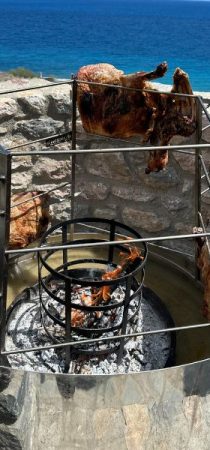
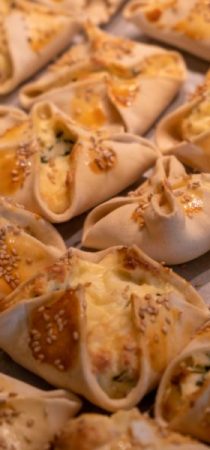
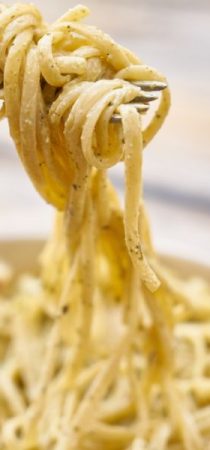
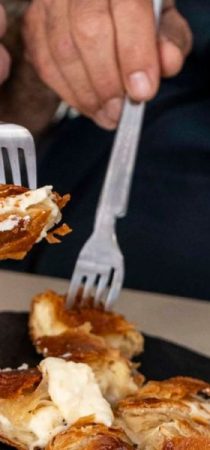
Cretan cuisine is deeply tied to the island’s landscape and history. Many traditional dishes reflect local ingredients, ancient techniques, and a respect for slow cooking:
-Antikristo lamb, slow-roasted around an open fire, a method with roots in antiquity
-Tsigaristo, goat cooked slowly with olive oil and wine
-Goat with askolymbri, featuring rare wild spring greens
-Gamopilafo, rice simmered in rich meat broth, traditionally served at weddings
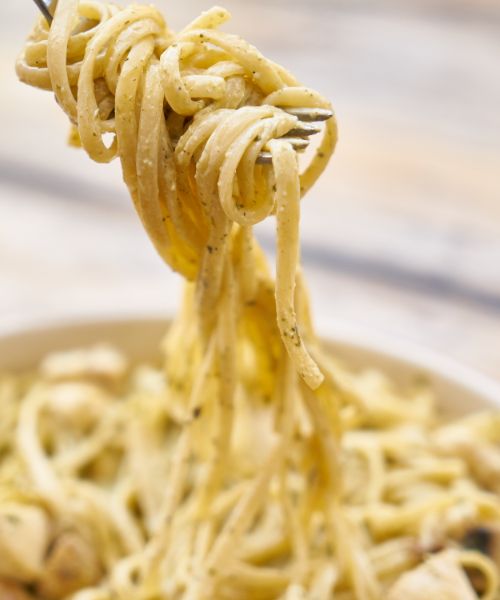
-Pasta with broth and anthotyro cheese, simple, comforting, and deeply local
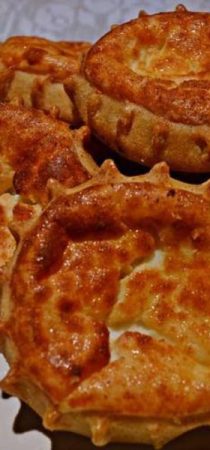
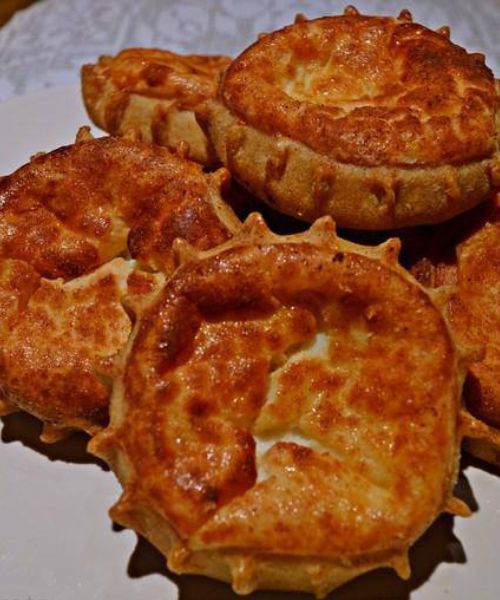
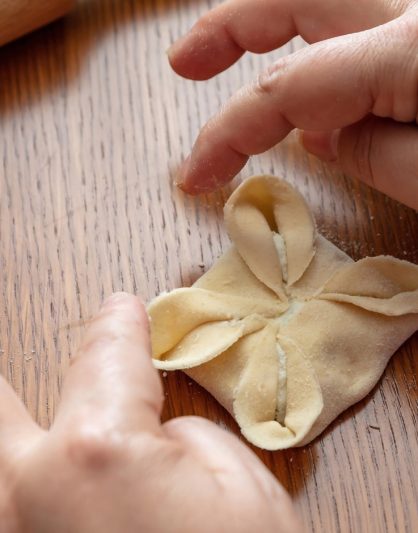
-Savory kalitsounia from Chania, small pies filled with cheese or wild greens
Snails (Chochlioi): A True Local Specialty
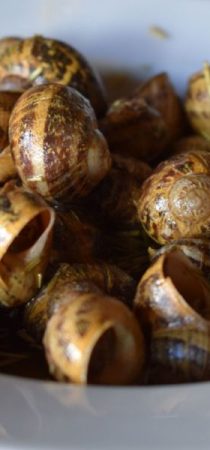
Snails are a classic example of how Cretan cuisine transforms humble ingredients into deeply flavourful dishes. Depending on the season and region, they are prepared in several traditional ways:
-Boubouristoi, pan-fried with vinegar and rosemary
-With cracked wheat (hondros), filling and rustic
-With wild greens such as stamnagathi
-In tomato sauce, slow-cooked and aromatic
Cheeses of Crete
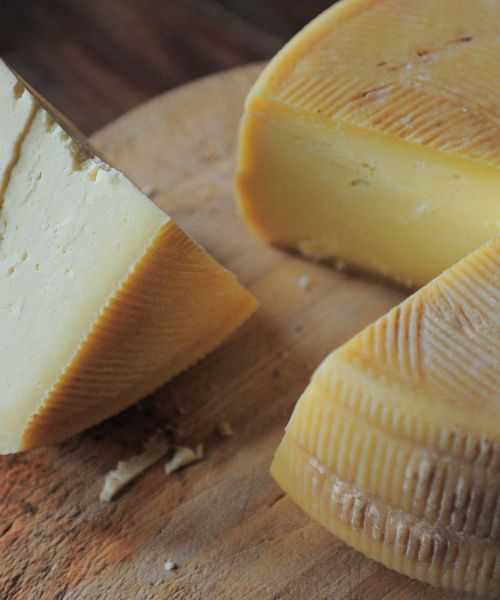
Cretan cheeses deserve special attention. Graviera, xinomizithra, anthotyro, malaka, stamnotyri, and pichtogalo are not simply products but expressions of place. Each is shaped by local milk, climate, and traditional methods passed down through generations.
Sweets and Simple Pleasures
Desserts in Crete are never overly sweet. Honey and mizithra take center stage in treats like sweet kalitsounia with cinnamon, wedding xerotigana drizzled with honey and nuts, and olive oil cookies scented with orange or raki.
Drinks and Hospitality
No Cretan meal truly ends without a small glass of raki, a gesture of hospitality rather than indulgence. Rakomelo, made with honey and spices, is especially common in winter, while local wines such as Liatiko, Vidiano, and Kotsifali are now earning international recognition.
Tradition Meets Today
The Cretan diet is not frozen in the past. It adapts easily to modern kitchens, from home cooking to refined restaurant menus. What remains unchanged is the respect for ingredients, time, and the people around the table.
Why the Cretan Diet Matters Today
As interest in the Mediterranean diet continues to grow worldwide, Crete stands at its core. From dakos topped with local olive oil to everyday vegetable-based dishes, this is not a passing trend but a way of living that connects health, culture, and pleasure.
The Cretan diet quietly demonstrates that simplicity, when rooted in tradition, can form the foundation of both great flavor and long-term wellbeing.

Final Thoughts
The Cretan diet is not something you adopt overnight or follow by the book. It reveals itself gradually, through habits rather than rules. It lives in the olive oil poured generously, the meals that stretch into conversation, and the quiet confidence that comes from eating food you trust.
What makes this way of eating so enduring is its rhythm. It allows space for fasting and feasting, simplicity and celebration, nourishment and pleasure. In a world constantly searching for the next health solution, Crete reminds us that balance has always existed, rooted in land, tradition, and community.
The Cretan diet does not promise perfection. It offers something far more lasting: a sustainable, human way of living well.
Explore our Food Tours and Cooking Workshops
From our blog